
Bradley25mm
-
Posts
481 -
Joined
-
Last visited
-
Days Won
33
Content Type
Profiles
Forums
Events
Everything posted by Bradley25mm
-
Super looking build Carlos. Just enough weathering. Really like the paint job. The base really sets it off. Chris
-
Trumpeter 1/24th scale Ju-87-D Stuka completed
Bradley25mm replied to Bradley25mm's topic in Aircraft
Thank you Carlos. Interior color: Vallejo Air RLM 02 Grey. Topside colors: Vallejo Air RLM 71 Dark Green. Vallejo Air RLM 70 Black-green. Underneath: Vallejo Air RLM 04 yellow. Vallejo Model color Pale Blue 70.906. Chris -
A couple of changes That I did not mention in the build section. 1. There is armor plating on one side of the cockpit exterior wall. The kit supplied Armor was way too thick. I chose a much thinner sheet of plastic to fix it. 2. There are two radiator Inlet assemblies (One under each wing, towards the wing root). I cut all of the louvers out, added half rounded plastic sheet on both sides, and post them in the open position. 3. There is a radio transmitting seeker right underneath the rear guns. The one that was supplied with the kit looked pretty bad. I scratched built one out of plastic tube, and extra photo etch that I had. I used reference photos from the books my friend had loaned me on this build. 4. The drop tanks. I added brass tubing to the front of each tank going off of reference photos. 5. On each landing gear, there is a section that looks like an accordion. I used bare metal foil to replicate the canvas that is actually used on the real aircraft. 6. The huge air scoop under the front of the engine. Are used photo etch screen to more accurately represent the one on the actual aircraft. I also added louver adjustment arms on the right side. I don’t do many German aircraft. If anyone sees anything out of place, I welcome your comments. Chris

-
I wanted to put this on a base. Because of its size, I decided to go a different route with the shape I normally build (Rectangle). Everything was purchased from Lowe’s. I used Blonde wood for the top and bottom. It’s lighter than other sheets of plywood. I used oak veneer for the sides, and oak trim for the top and bottom edge. I used pre-mixed stucco for the ground work. I cut strips of balsa to simulate wood planks. Stained it with Tamiya accent wash. I used static grass of various lengths on the sides. I had the German Aviators Wings printed on the brass plate that is attached to the front of the base. Chris
-
Thanks Bob and Gil. I appreciate the comments. Bob, I was surprised what was available on eBay for this kit. The only thing I could not find was a replacement propeller. The blades look a tad to short. You could always find some aftermarket decals on eBay. I’ve heard quite a few good things about the Airfix. I hope you build it someday. Chris
-
My buddy and I made a swap of kits that we had purchased at the Cincinnati Model Show. I have always wanted a Stuka. It is my favorite German aircraft. The kit has some nice details. The cockpit instrument panel is sparse. It comes with kit supplied-decals for gauges. You can spruced up the cockpit and instrument panel with aftermarket photo etch I found on E-bay (Eduard 1/24th scale BF-109 cockpit gauges/placard‘s) I also purchased two sets of Eduard BF-109 seatbelts for both the front and back seat. Lastly, I was able to secure three figures from legend models. Two pilots and one mechanic. Construction is pretty straightforward. All of the parts go together really well. The canopy parts are crystal clear, and very thin. Probably the best I’ve ever seen in a Trumpeter kit. The decal are not good. I had to get an aftermarket sheet on eBay from Germany. They were pretty thick. I ended up have a friend make me some new ones. Prior to starting this one, I did some research online. I found out that the rear fuselage is 3 cm to long. Two modelers built this exact same kit. One was built without removing the 3 cm section. One was built with the section removed. Both were great builds, with amazing paint jobs along with some awesome canopy work. The longer fuselage was definitely noticeable. The best way that I decided to approach this is to use plastic strip that was staggered on the rear end of the fuselage. I added plastic sheet at the front of the cut, to reduce the step down, and added putty to the rear of the sheeting that I had added. Be prepared to do a lot of sanding. If you’re willing to tackle this issue, it will definitely be worth it in the end. This is the only hard thing about this build. Everything else just pretty much falls into place.
-
Bigger is better. She turned out amazing Gil. Chris
-
Stuart, Very nice builds you have there. Keep up the good work. Love the Stearman. It’s my favorite Bi- plane. Thanks for sharing. Chris
-
Gil, Most impressive indeed!!. That is one beautiful build. Congratulations Chris
-
Model entries for the Nationals
Bradley25mm replied to Bradley25mm's topic in About the IPMS/USA National Convention
Thanks Ed -
Model entries for the Nationals
Bradley25mm posted a topic in About the IPMS/USA National Convention
Can an individual enter one of my models in the Nationals in my absence? Thanks Chris -
Really like this one. Great job on the airbrushing. Chris
-
Very nice work! Great paint work. Chris
-
After getting some other projects out of the way, I decided to finally tackle this one. The kit itself went together very well without any issues. I was pleasantly surprised to see how detailed the gear bays were. I added Aires cockpit ,Reskit wheels, PJ Productions resin pilot, and SAC metal landing gear. Everything was pre/post shaded using Tamiya Acrylics. I took a different approach to the base. I normally use sandpaper to simulate the surface. Because the original decking was constructed of planks, and later covered with a non slip surface, I used plastic sheet with strips cut into it so that you could see the planks through the new surface. Any feedback is much appreciated. Cheers Chris
-
1/48 ICM C-18S “Magic by Moonlight” Air show Aircraft – with lights!
Bradley25mm replied to Wolfman63's topic in Builds
SWEET!!! Fantastic job as always David. Thanks for posting. Chris -
Two very nice builds Mark. Love me some egg beaters!! Chris
-
Outstanding job Gil. Love the metal work around the engine nozzles. The speed brakes look awesome deployed. Thanks for sharing
-
“You tell ‘em I’m comin, and I’m bringing Hell with me”. Awesome figure. The eyes are extremely convincing😳. Chris
-
Dragon M48A1 Elvis Tank, Patton Project Pt.III ***FINISHED***
Bradley25mm replied to Stikpusher's topic in Armor
Very nice diorama. The tank and figure turned out great. I’m going to have to try the black primer before my top coat. Thanks for posting. Chris -
I agree with you 100% Chris
-
Another fantastic build John. You’ve got some serious painting skills my friend. Look forward to seeing more of your work. Chris
-
Wow, can’t wait to see the finished model. Looks great already. Chris
-
Thank you John! Chris
-
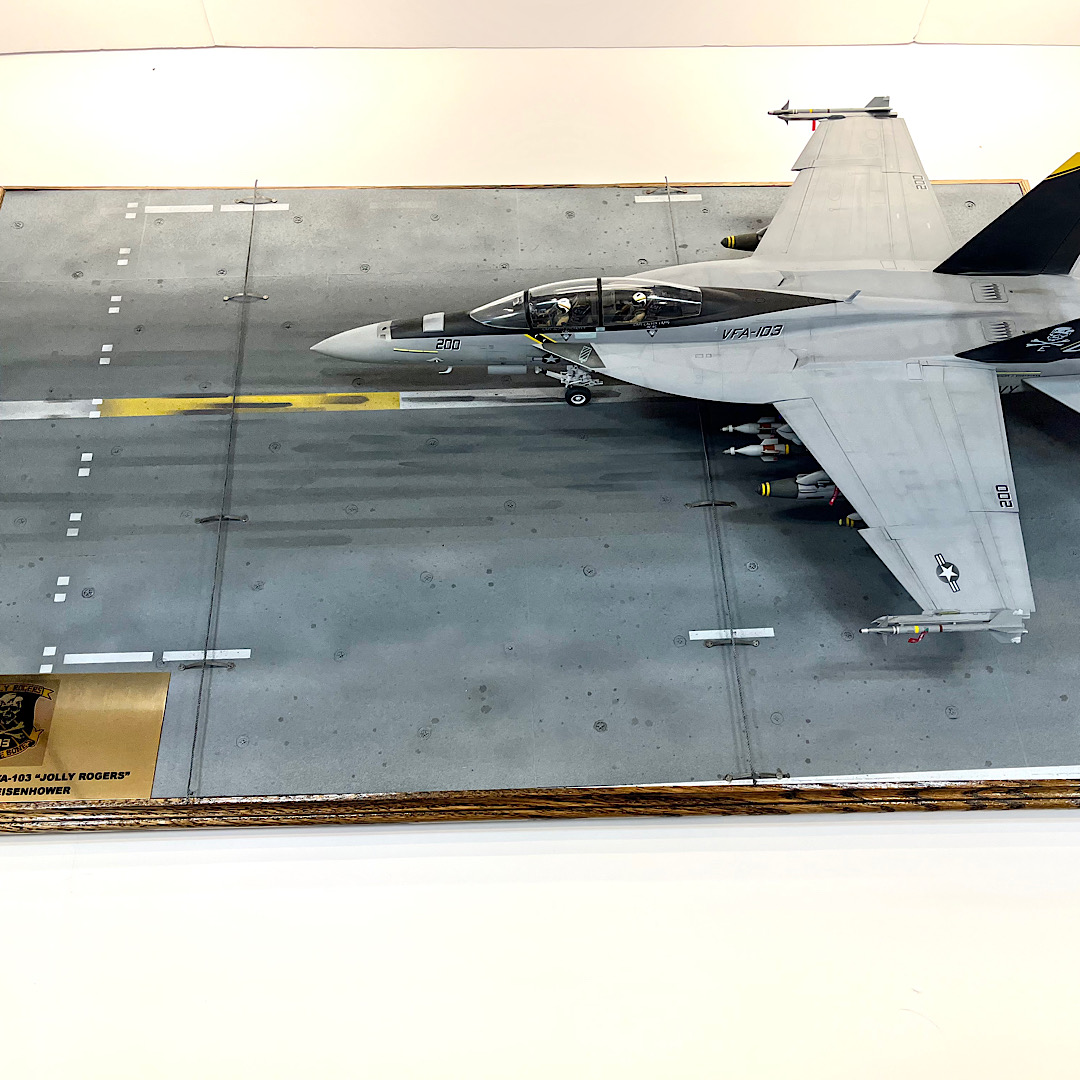
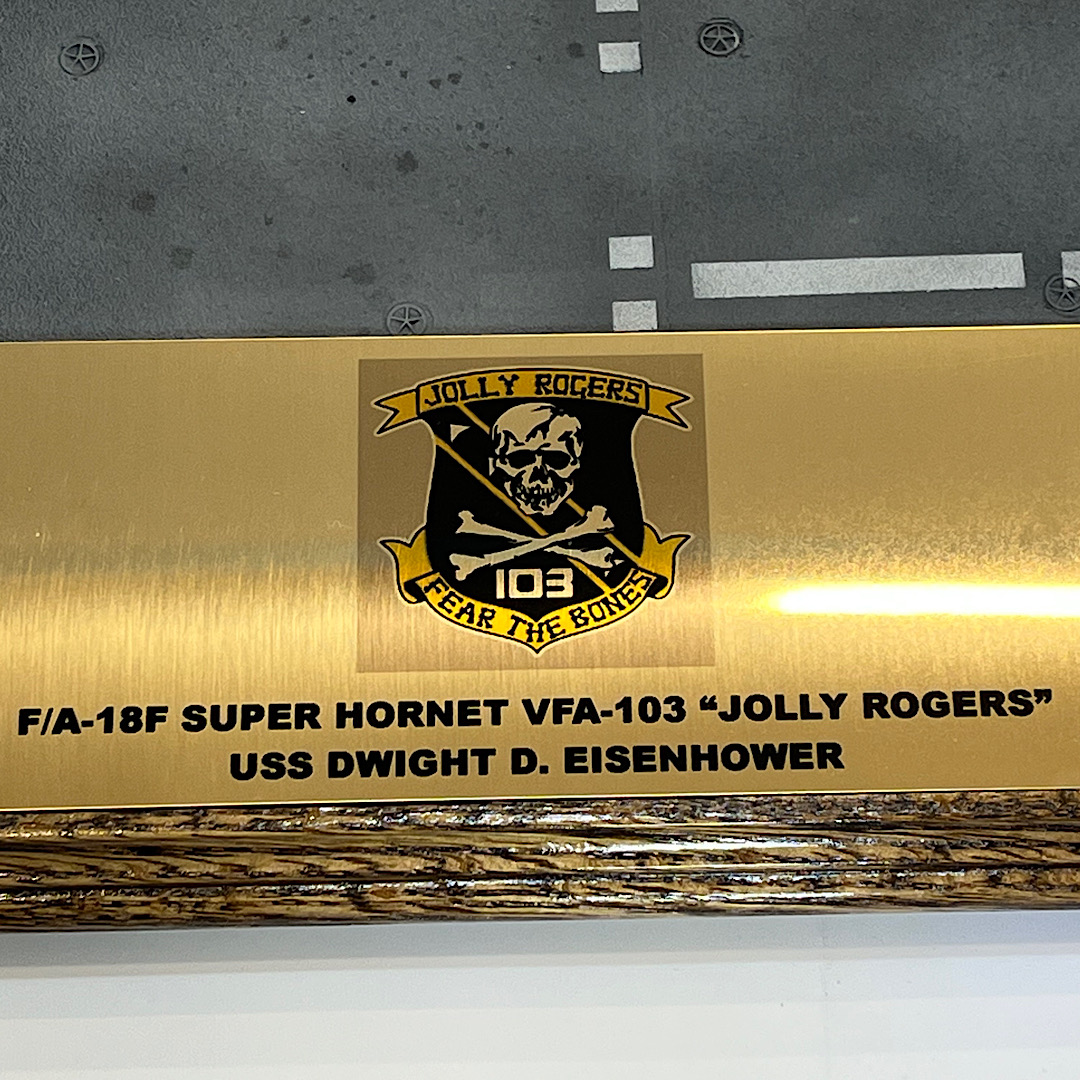
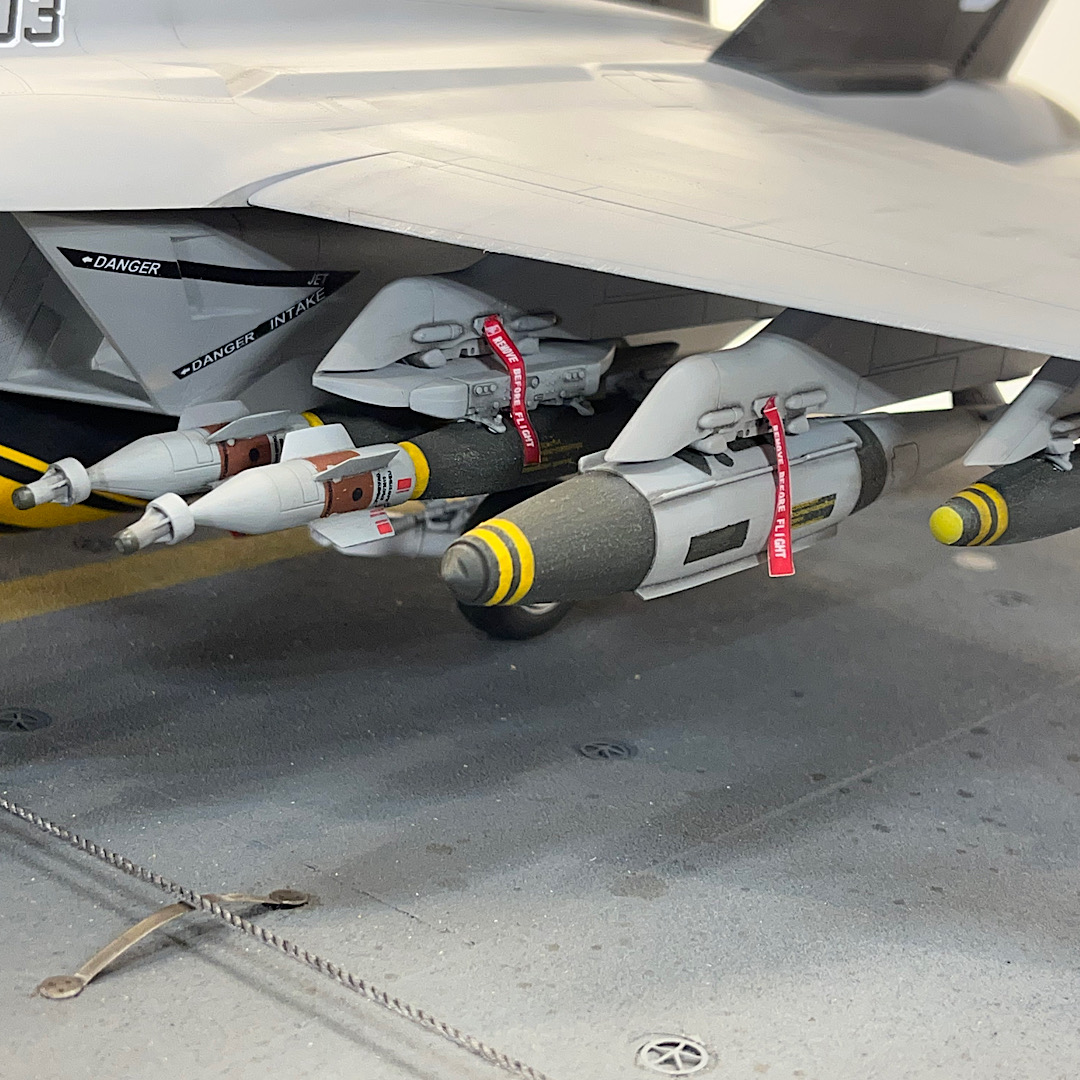
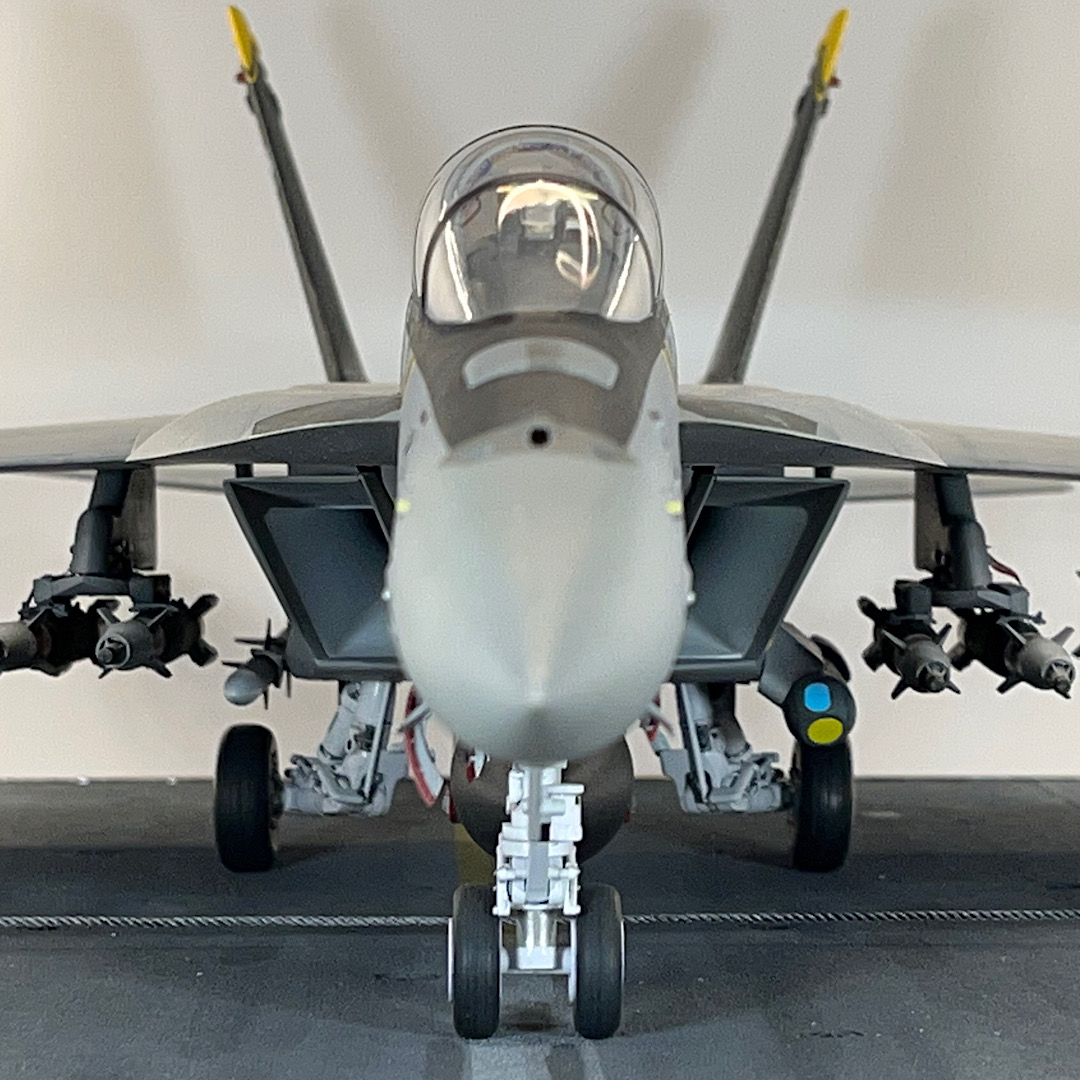
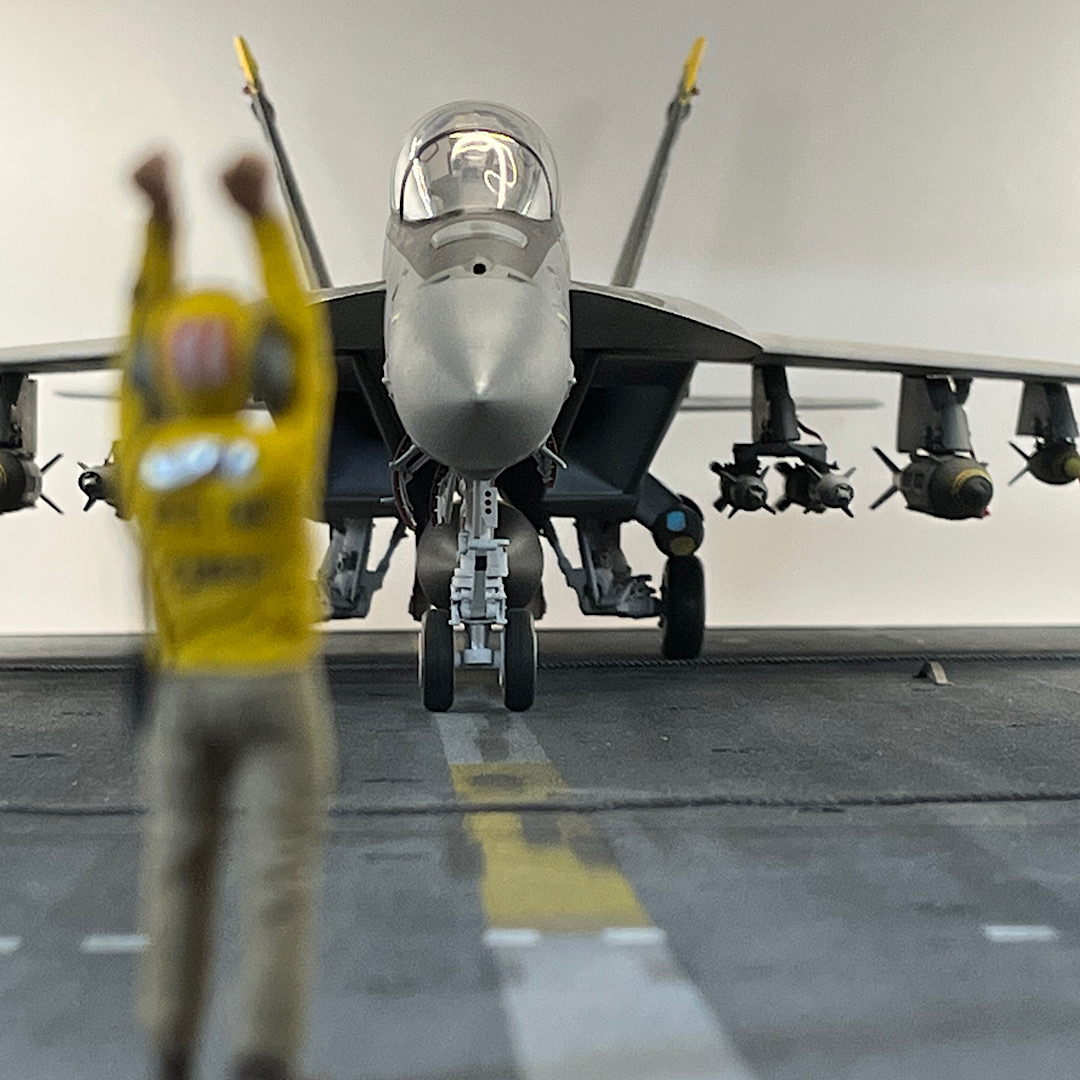
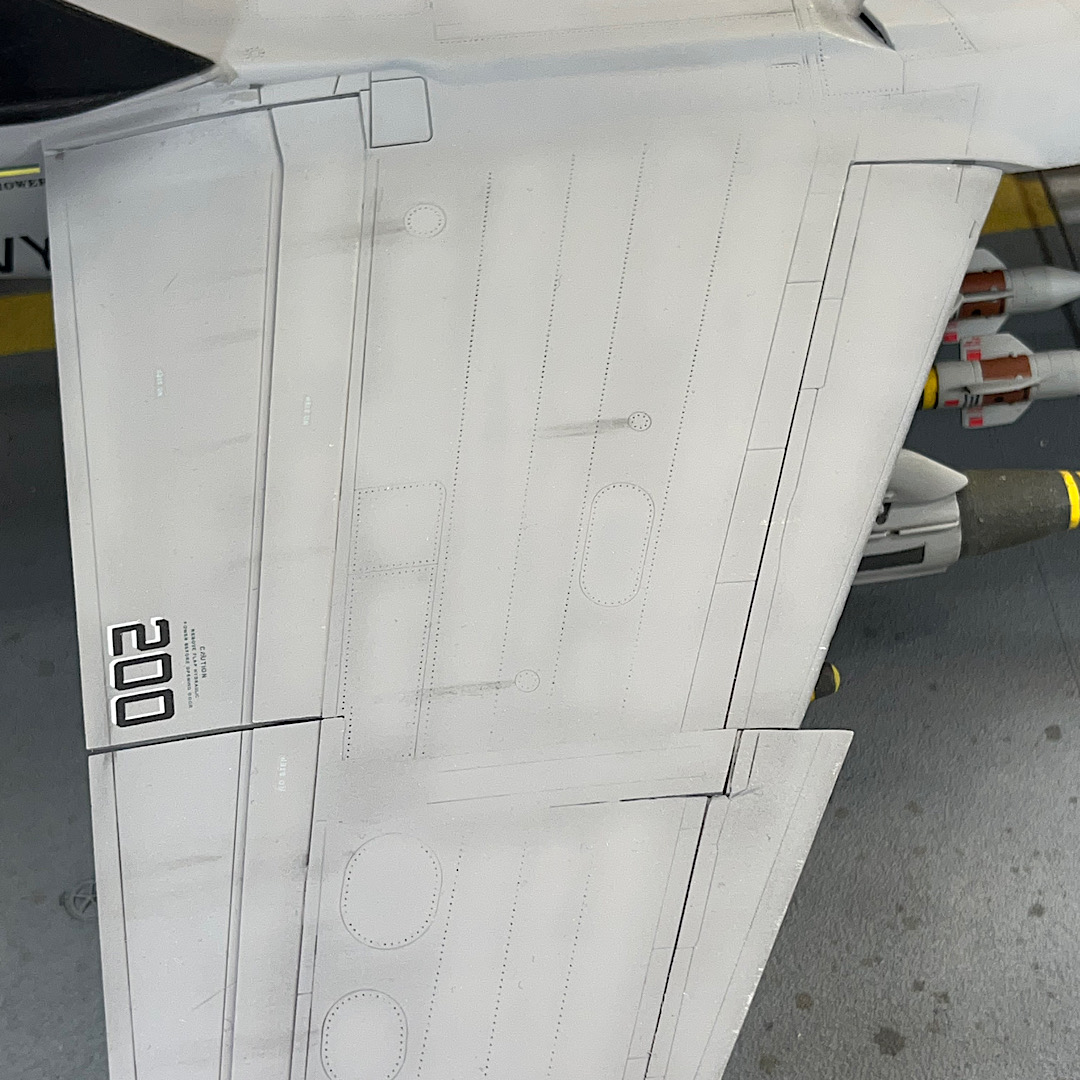
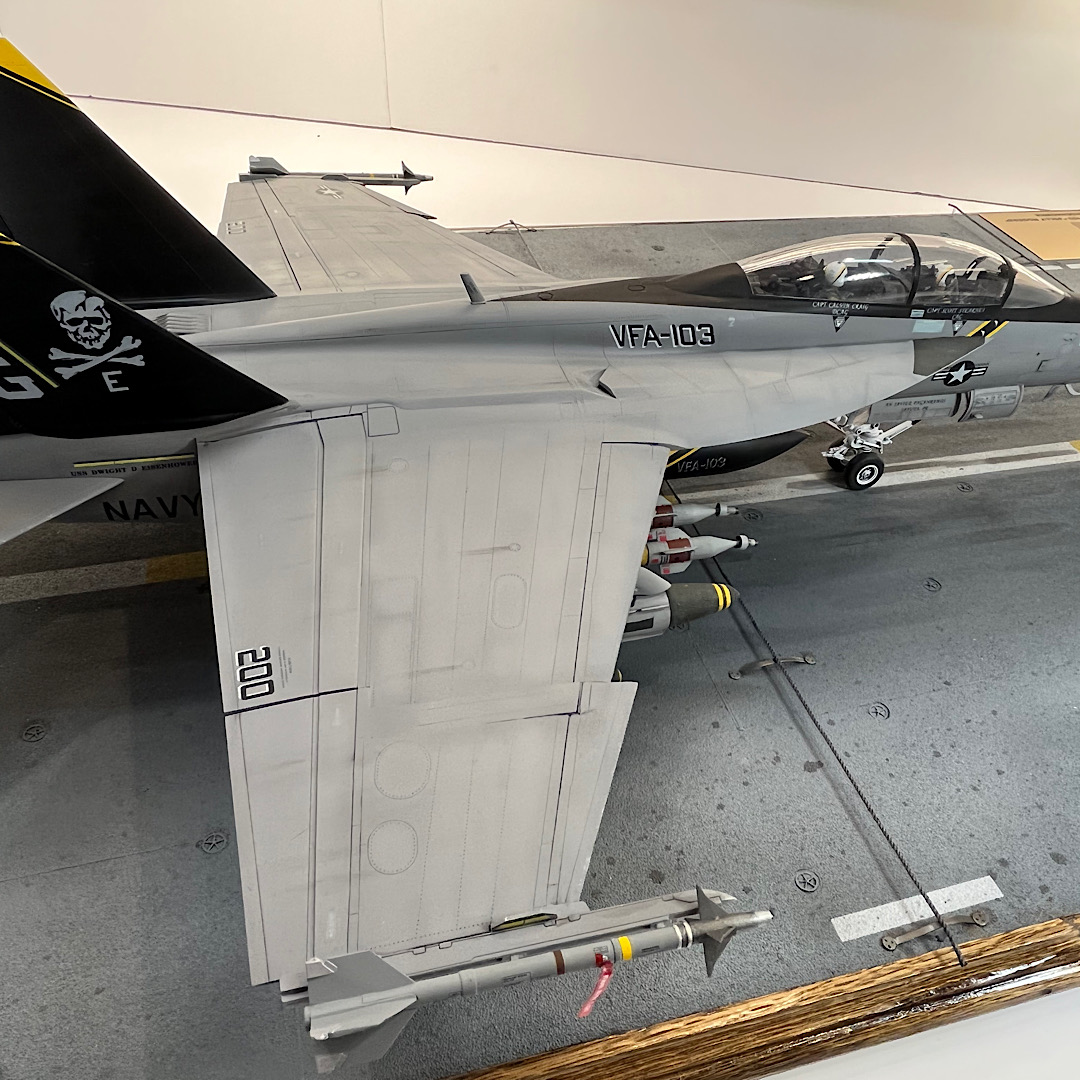
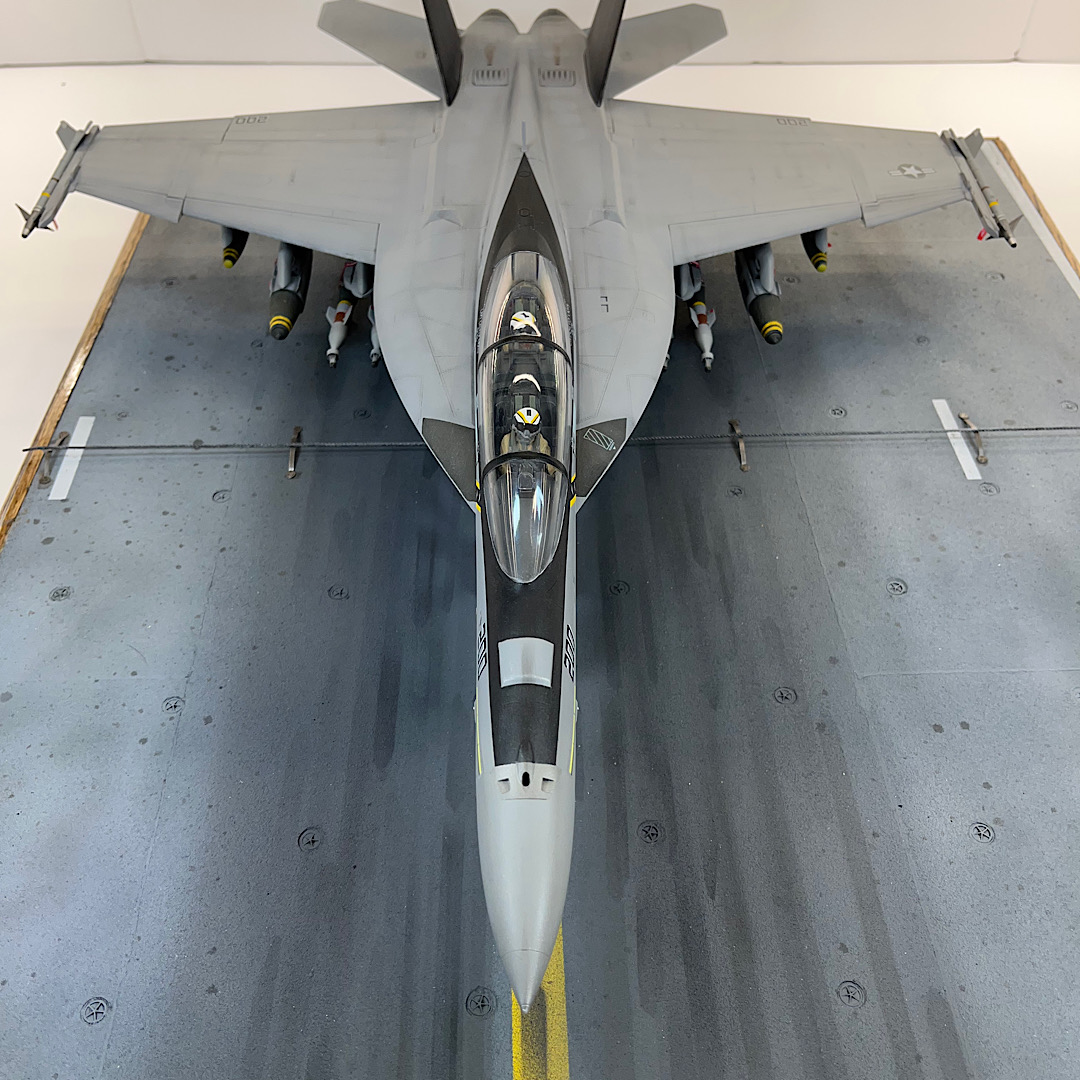
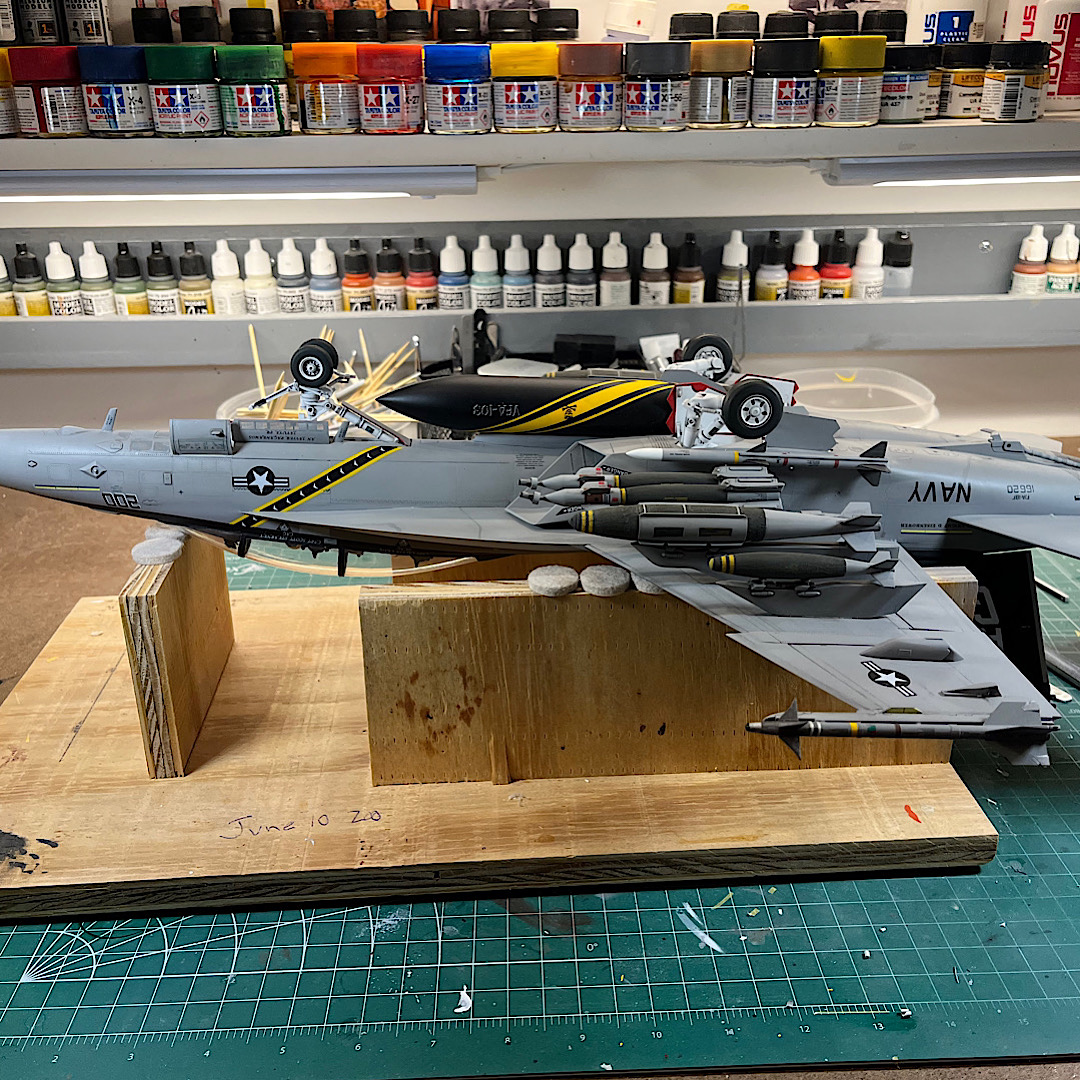
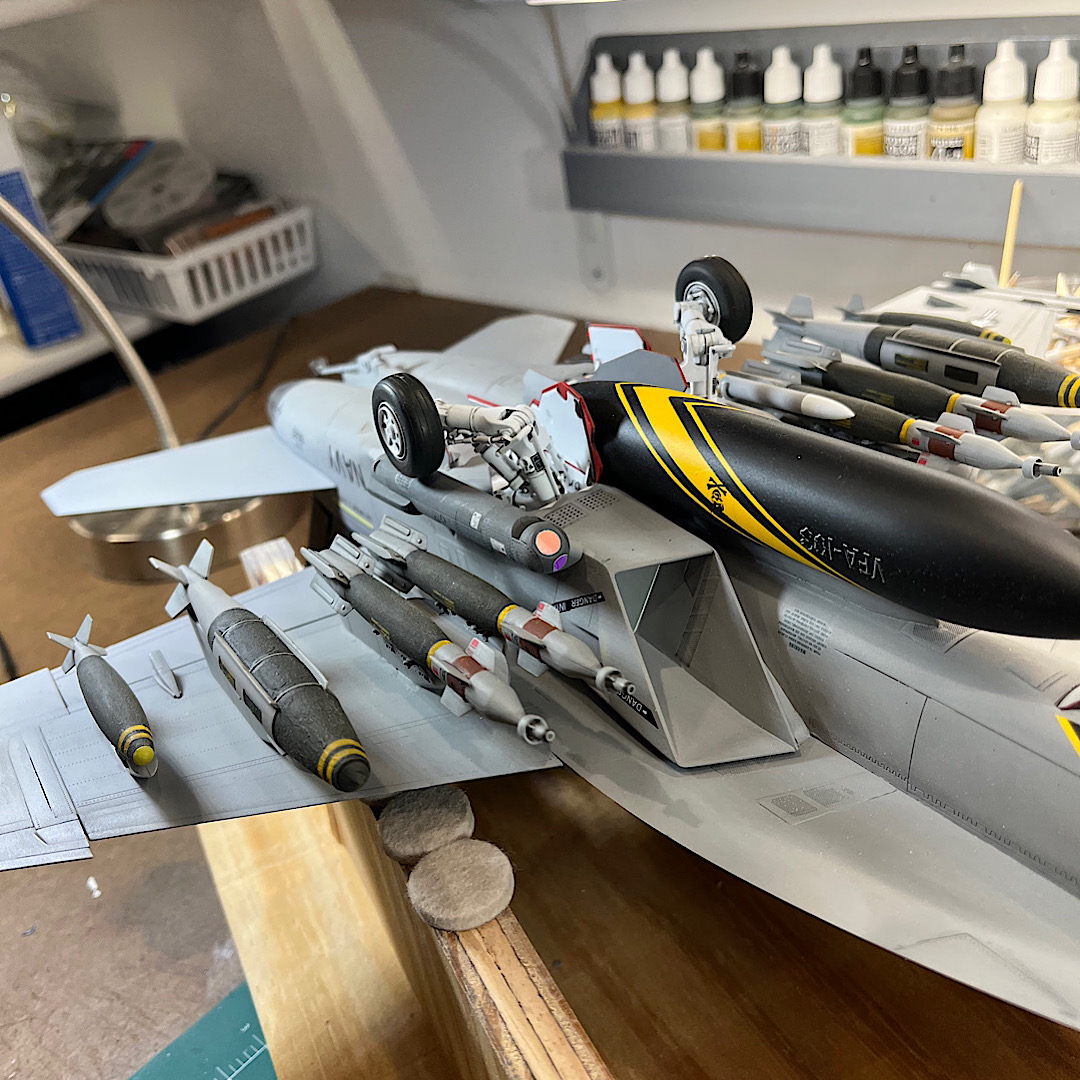
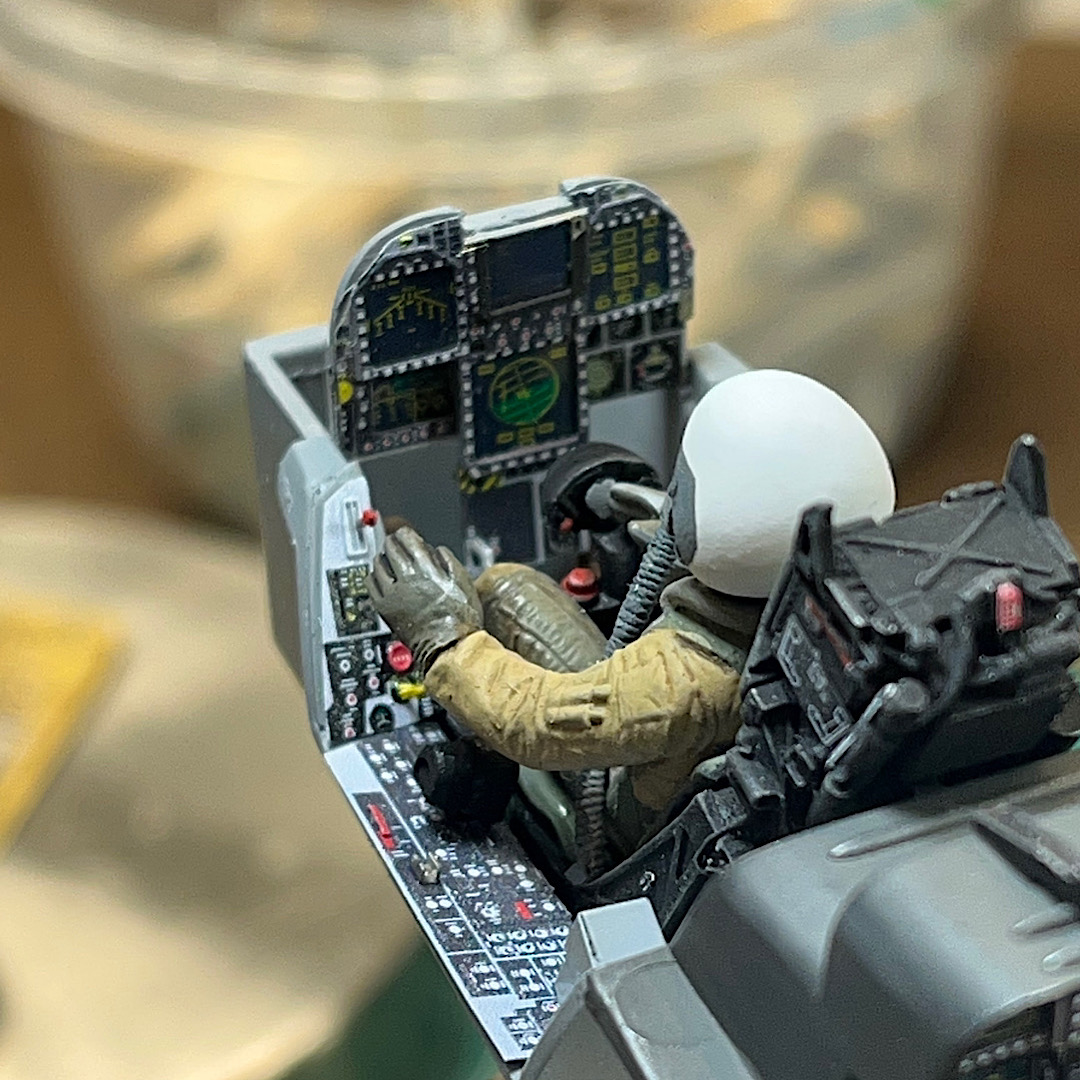
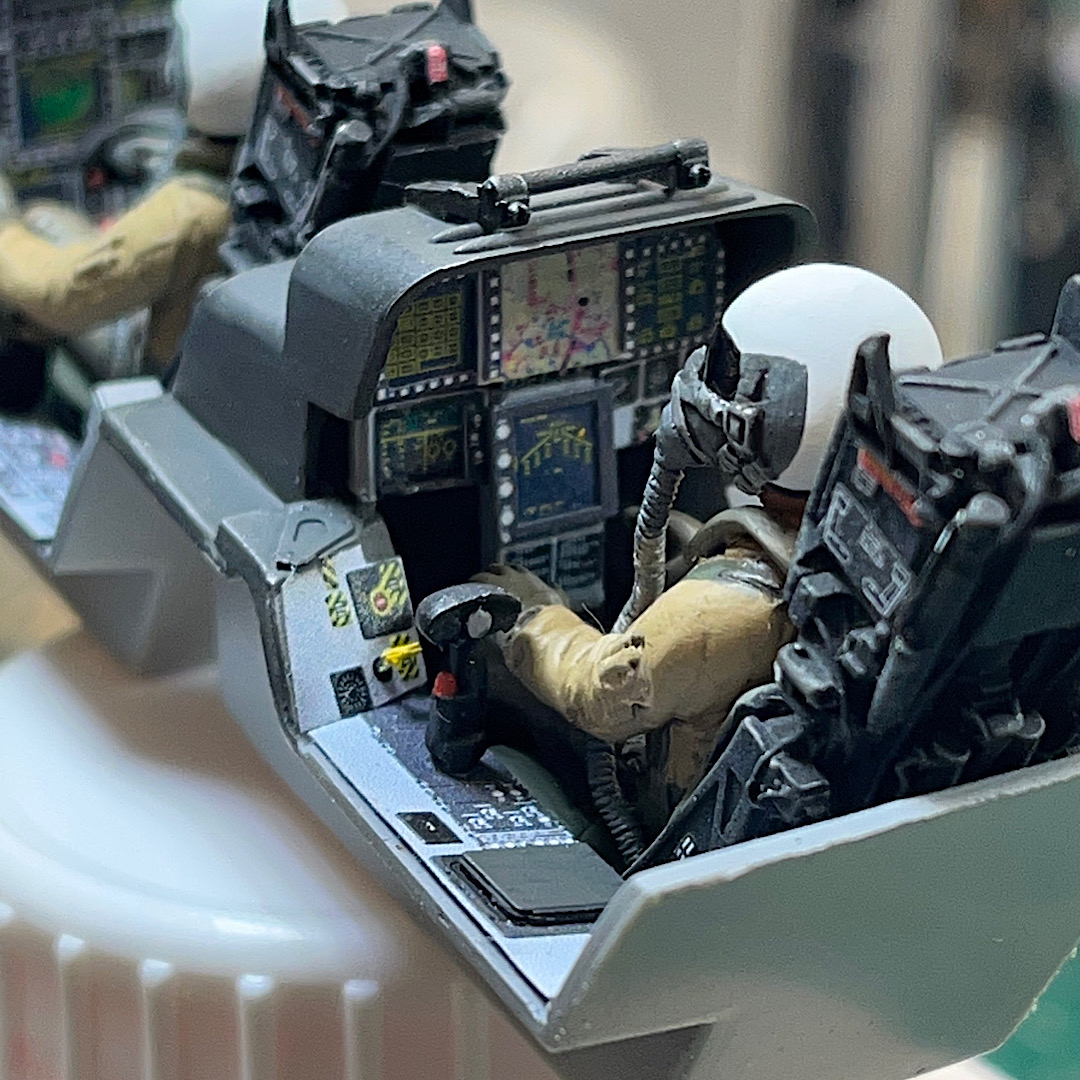
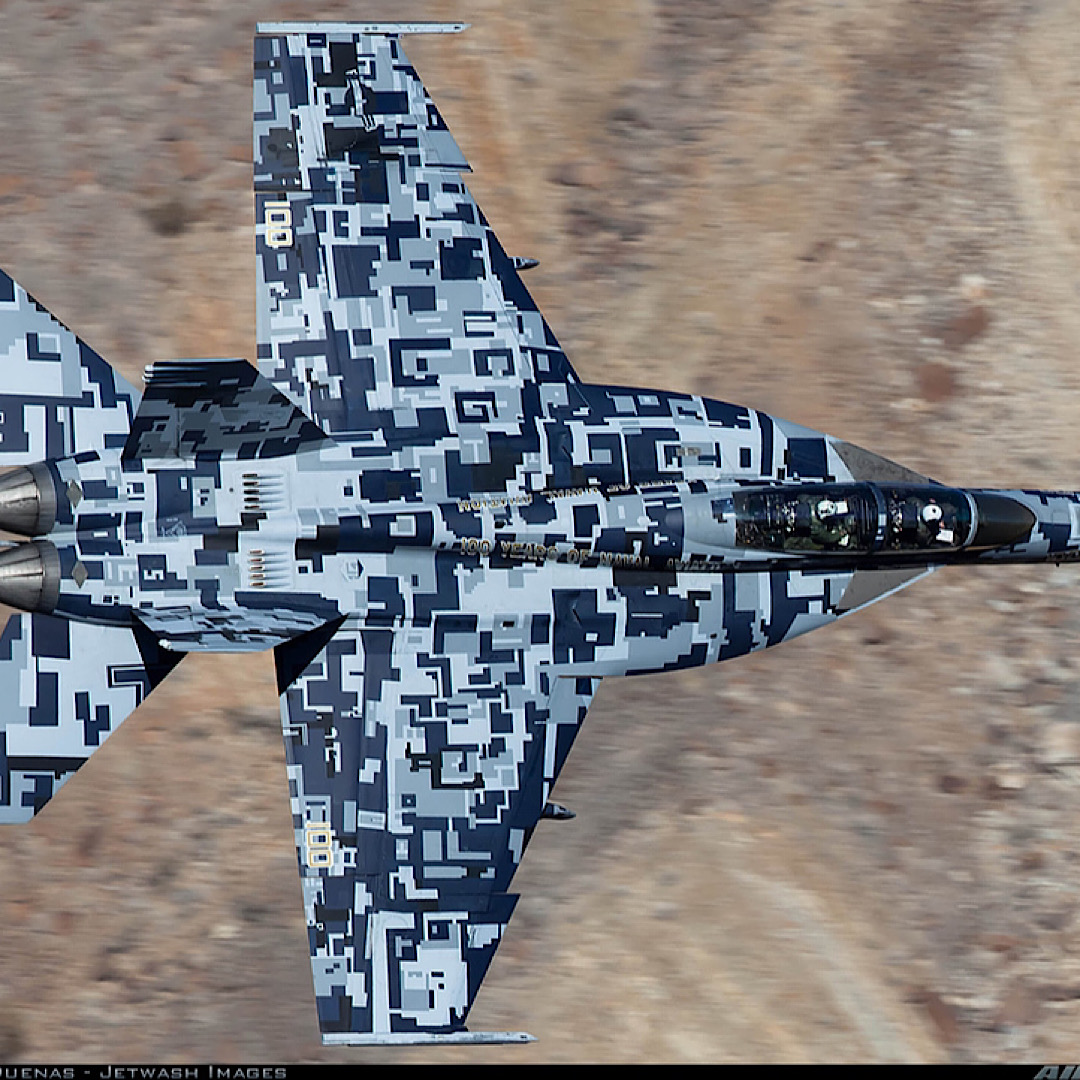
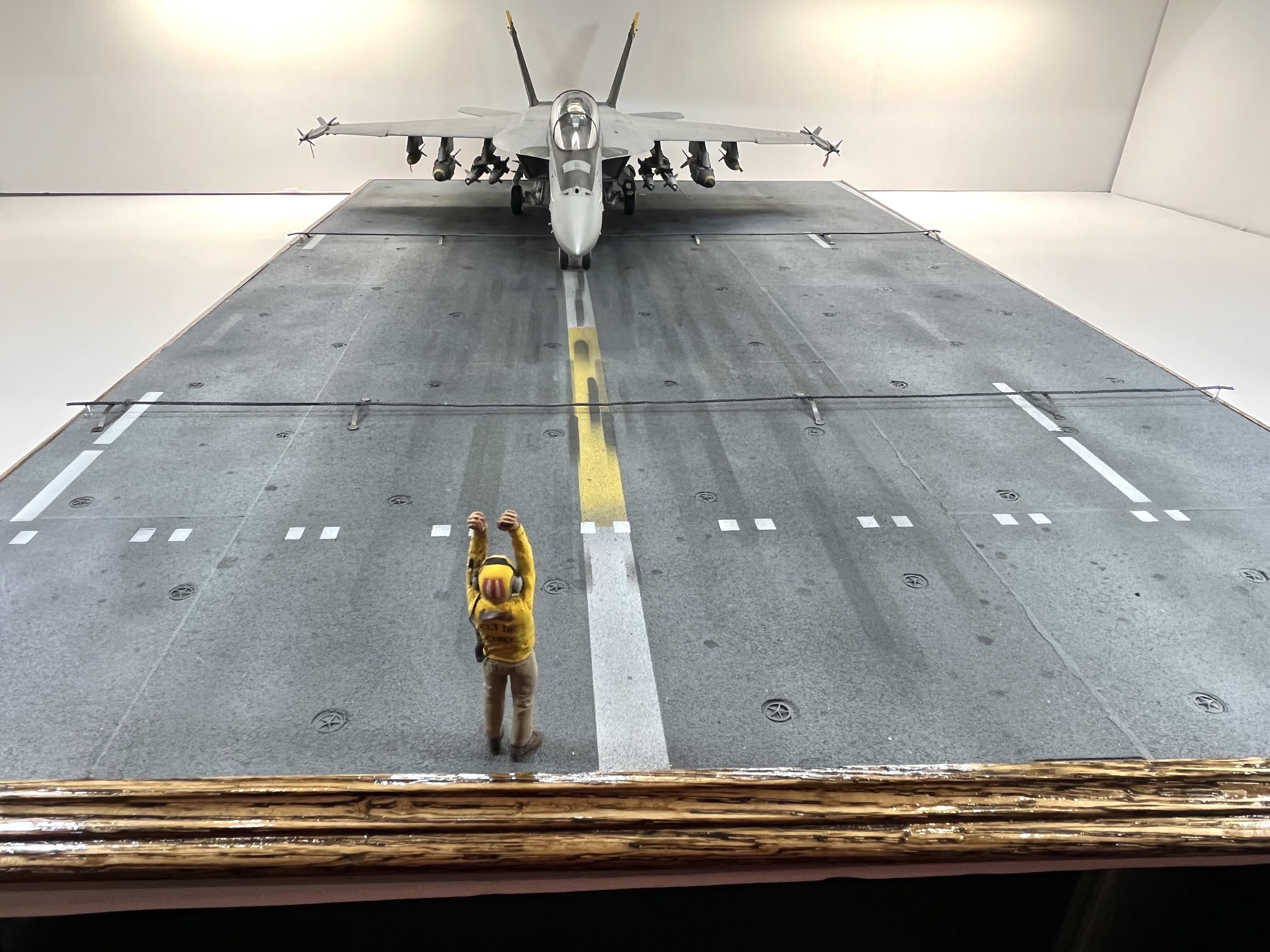
My good friend in Ohio “The Mongoose “ and I, have decided to have a little head to head competition. We bought these from Scale Reproductions here in Louisville.The only aftermarket I’ve added are ejection seats, and the Big Ed PE set. Without giving too much away, he is going to do the Digital Camouflage Scheme. He’s a master, as far as I’m concerned, when it comes to putting paint down. With the painting, and his building skills, I just may be up against it. Below is my completed diorama. Any feedback would be much appreciated. Chris
-
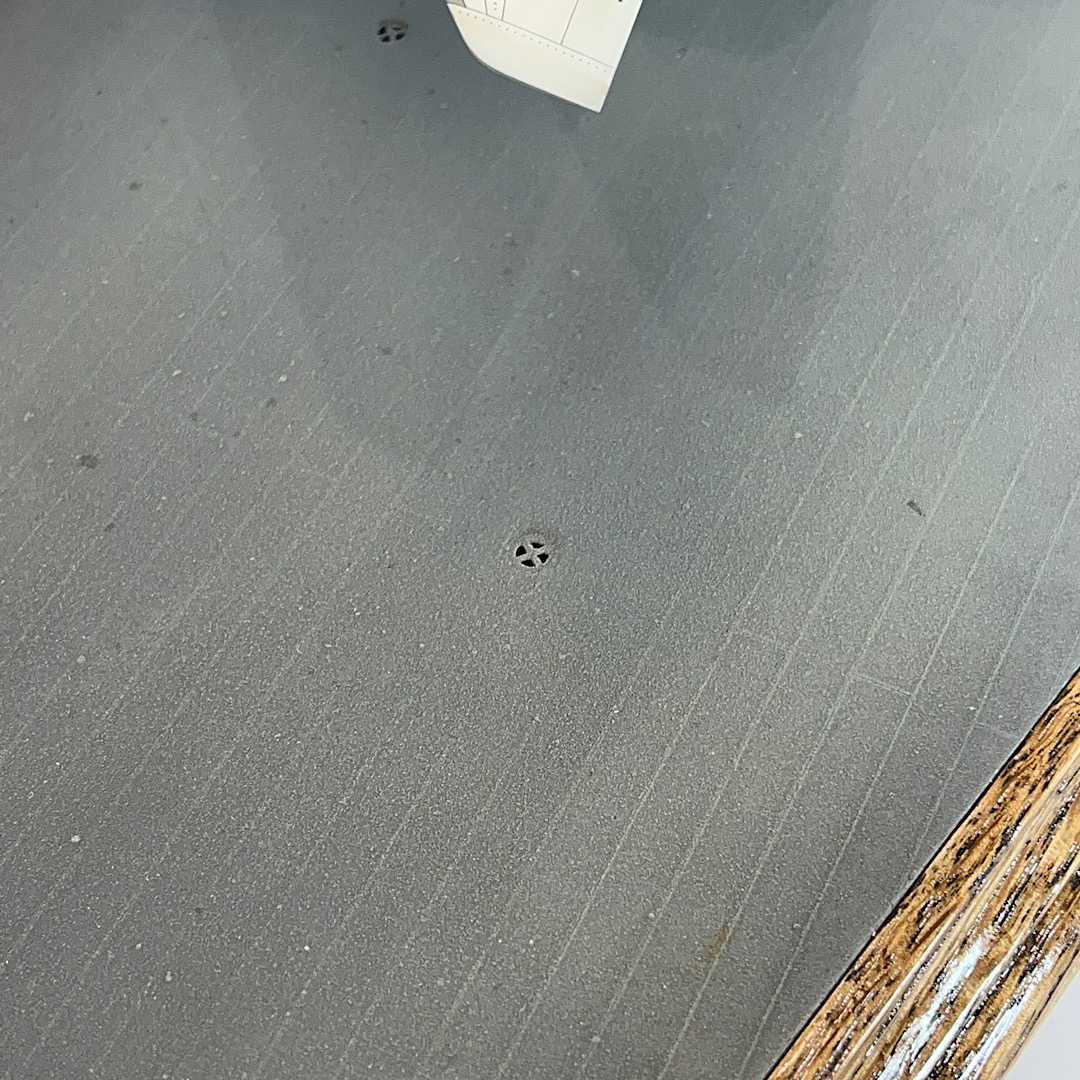
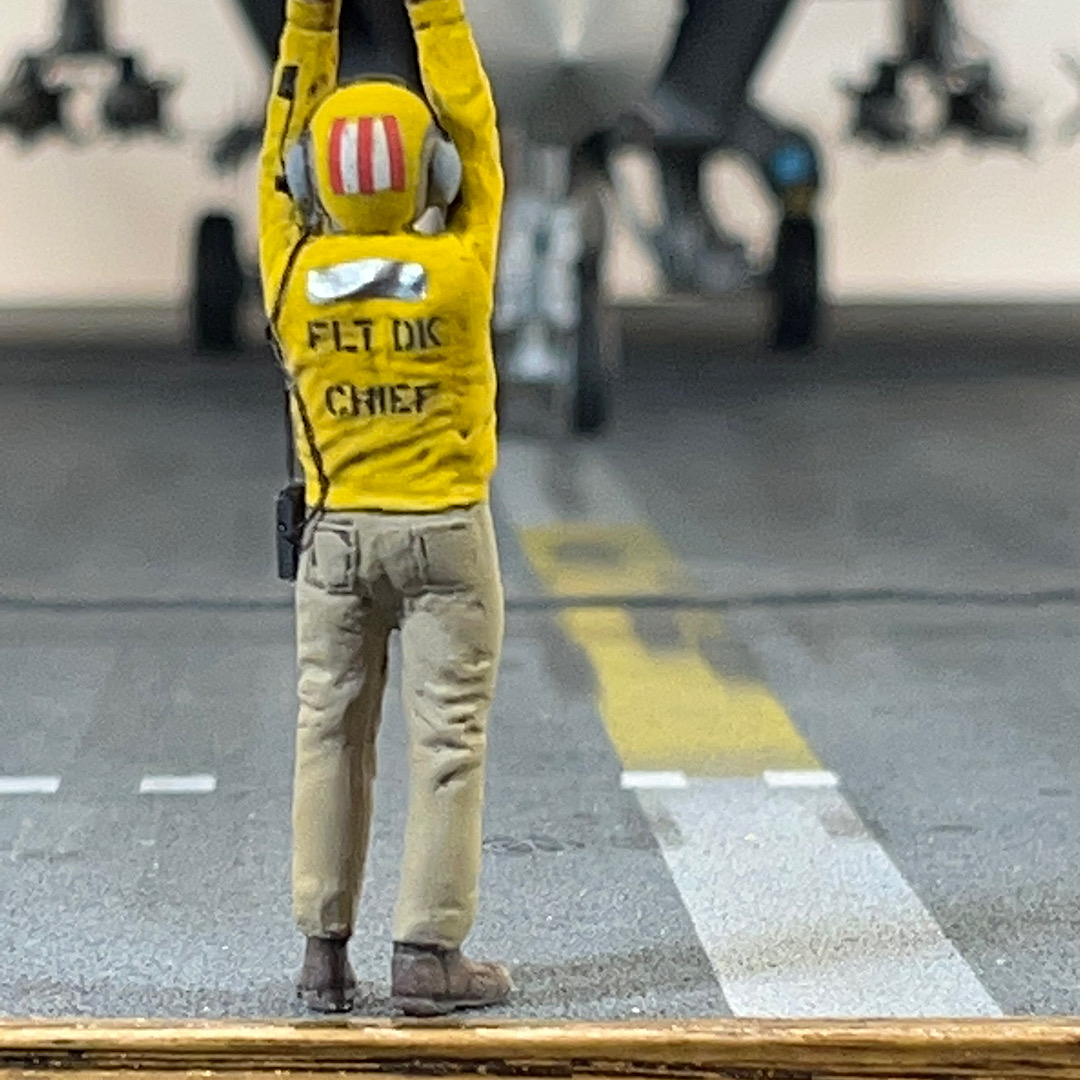
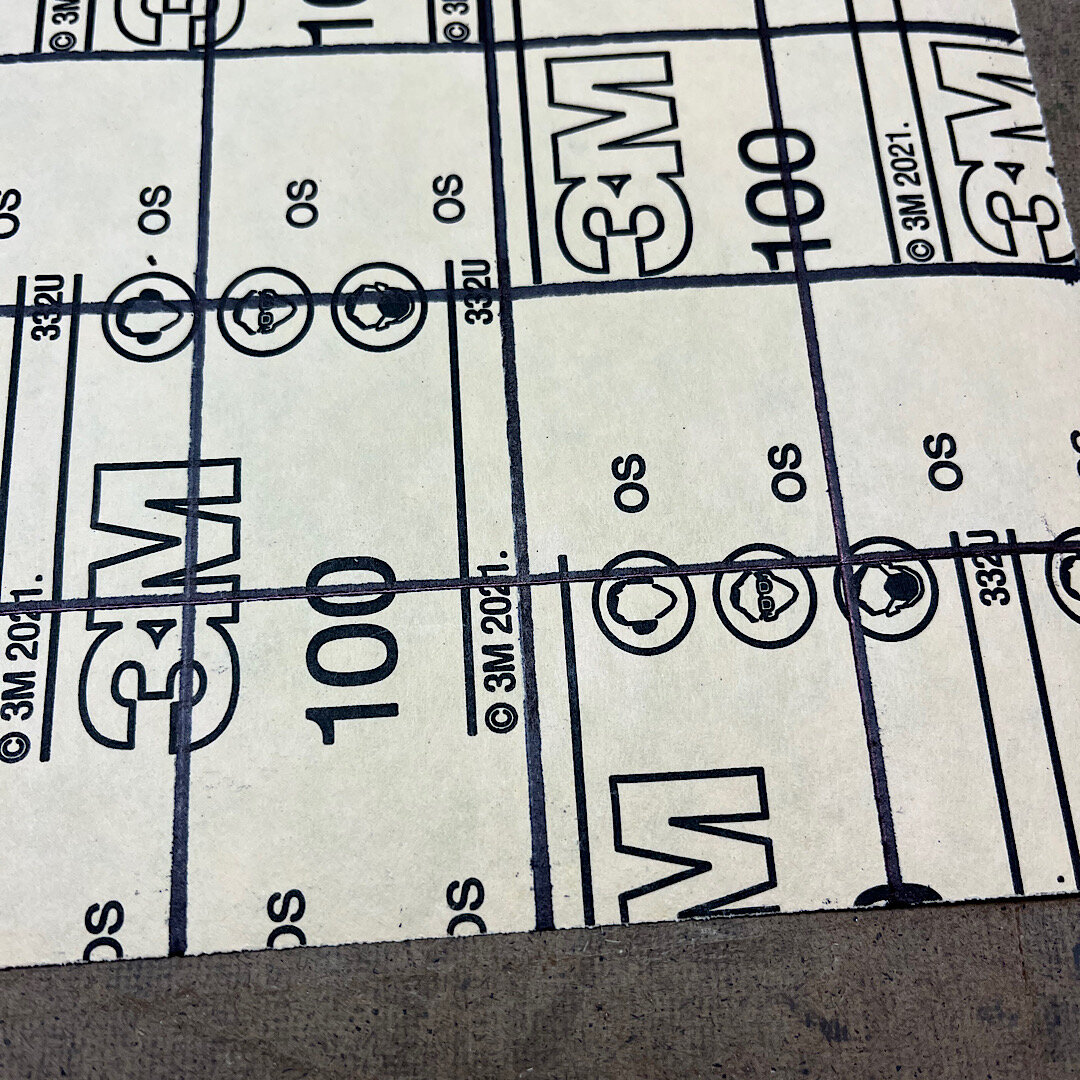
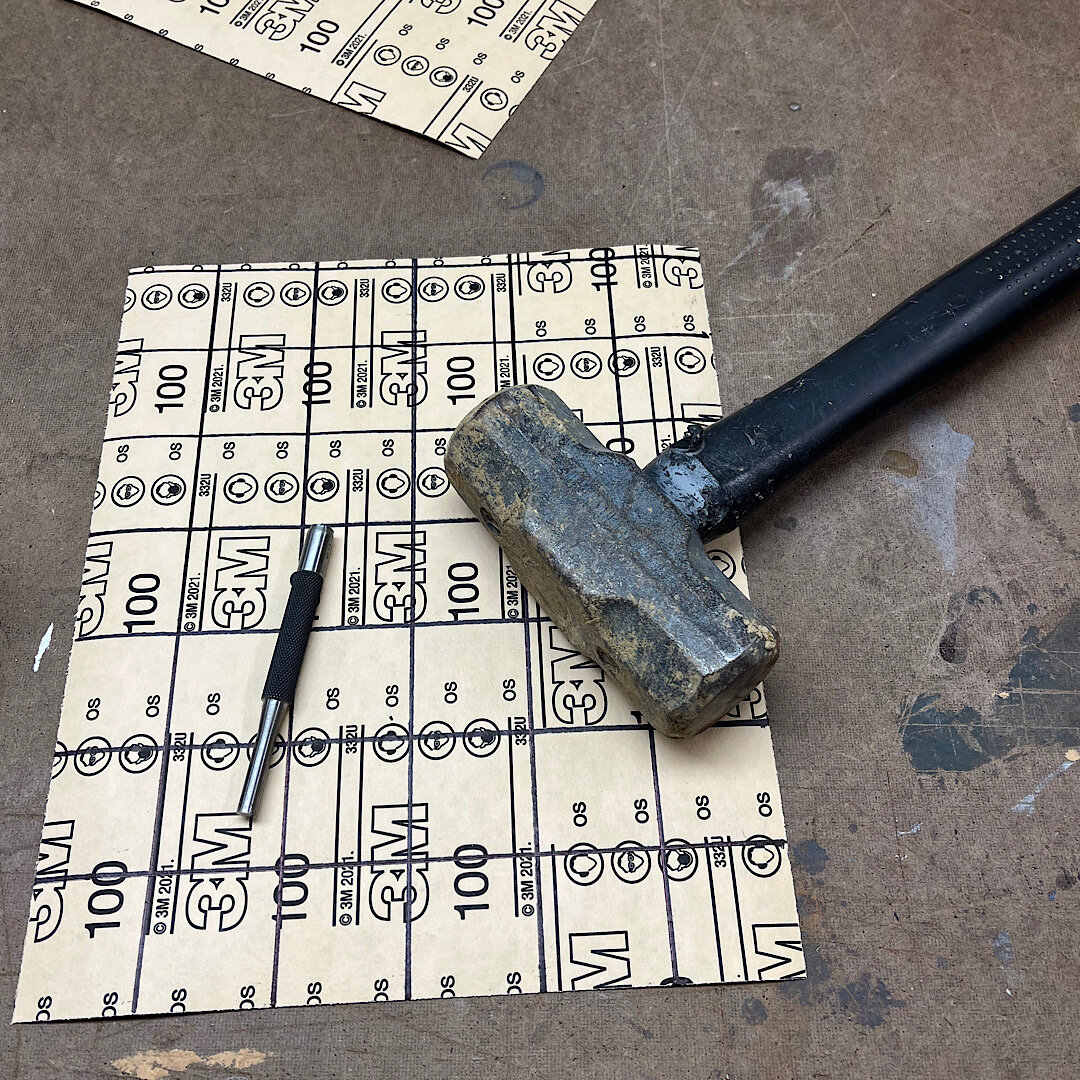
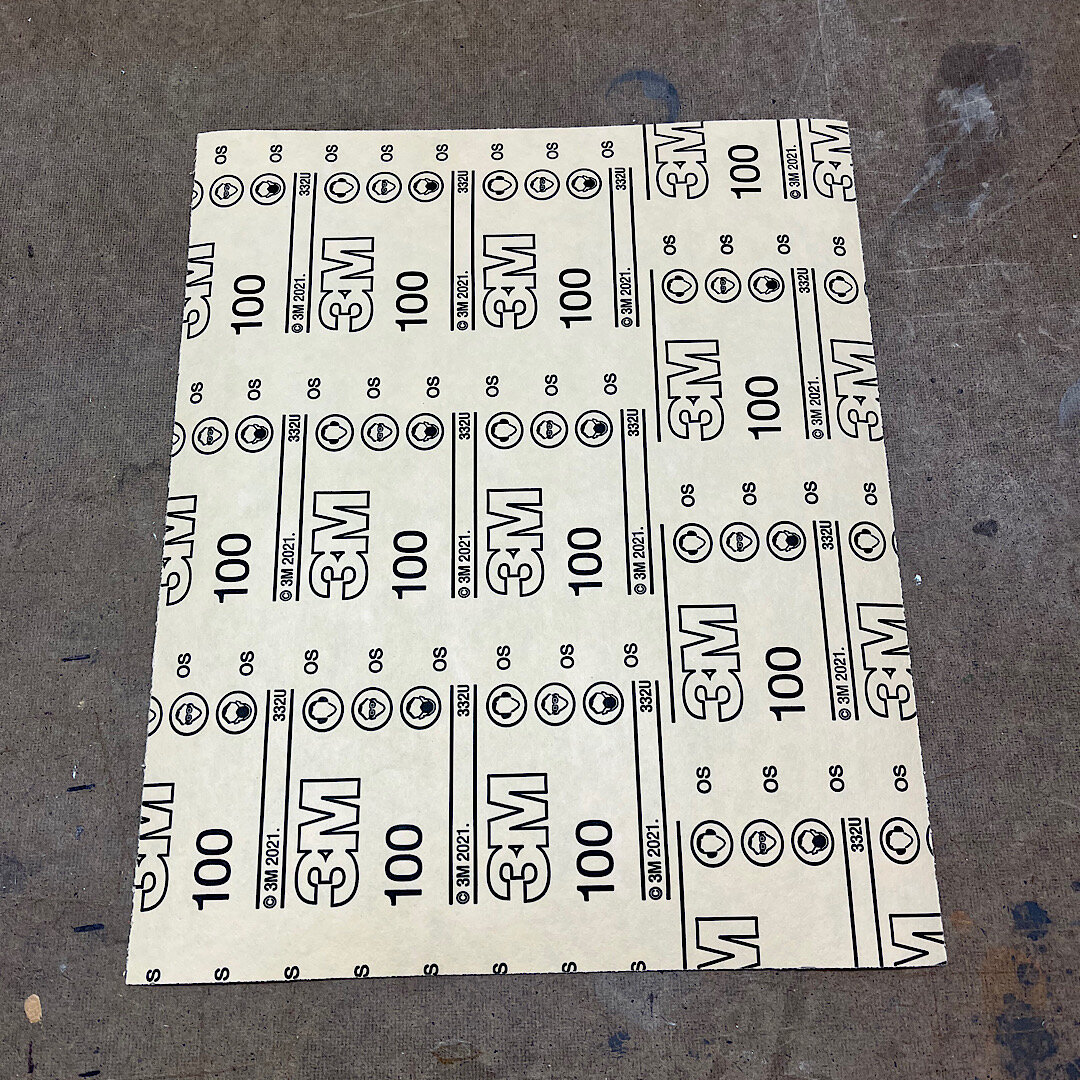
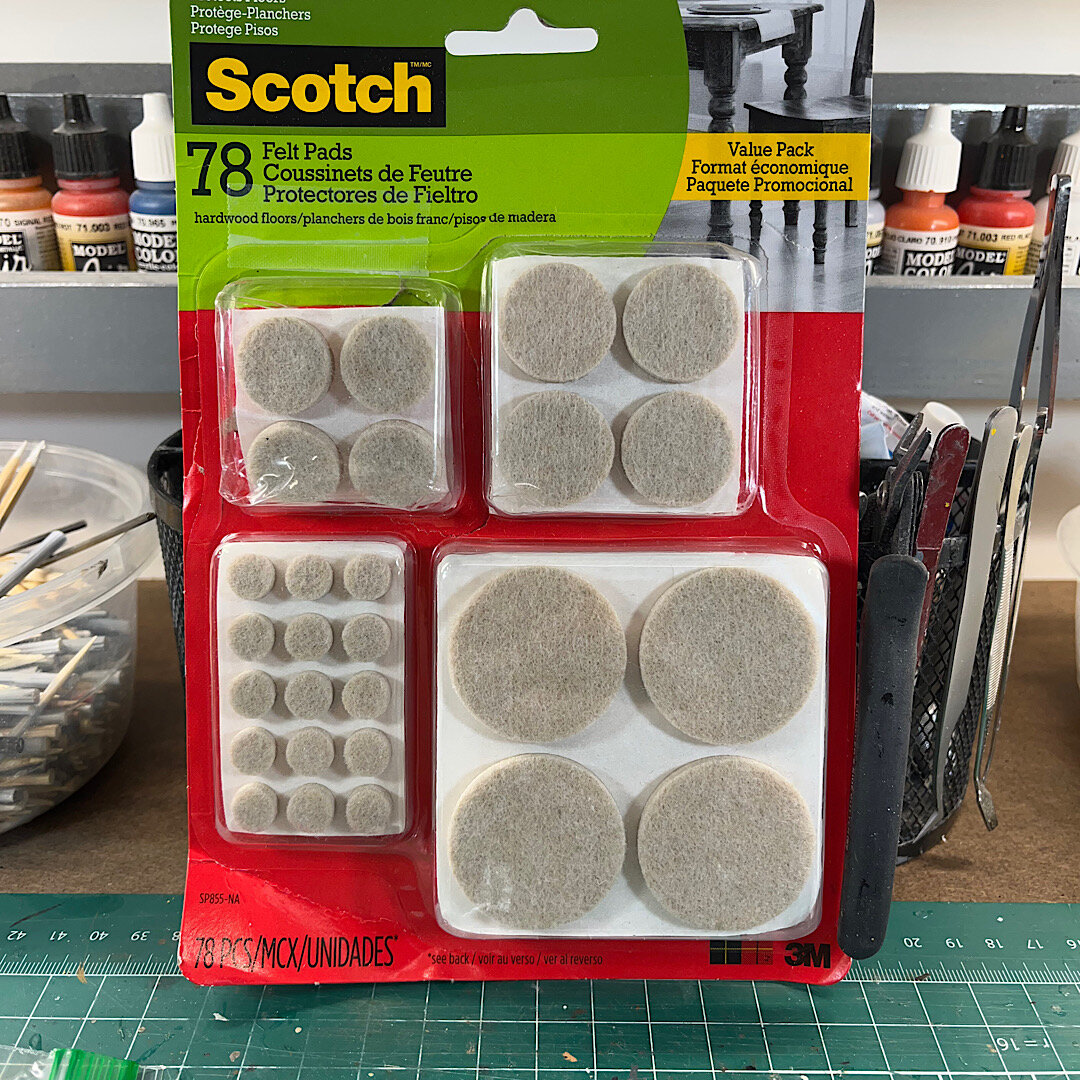
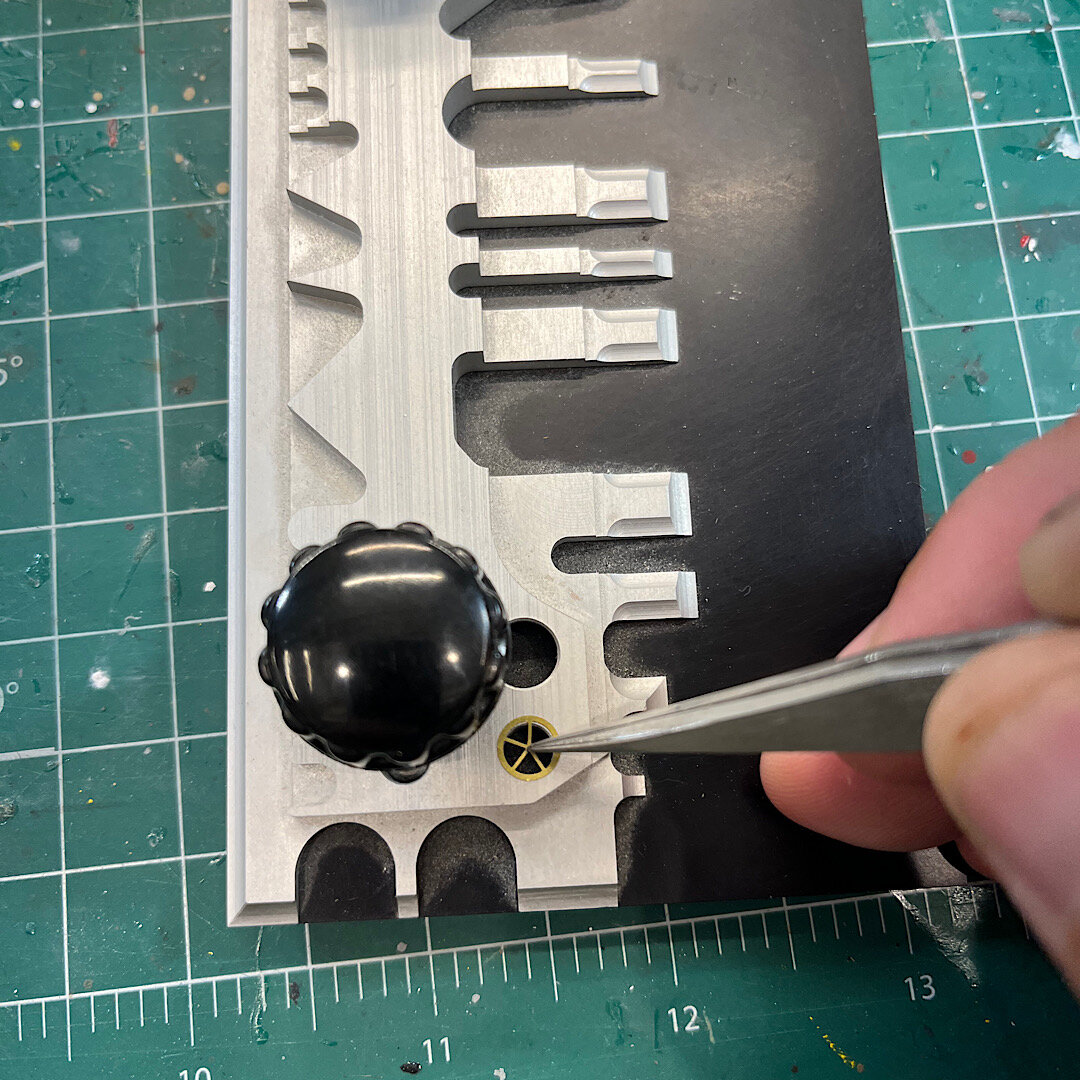
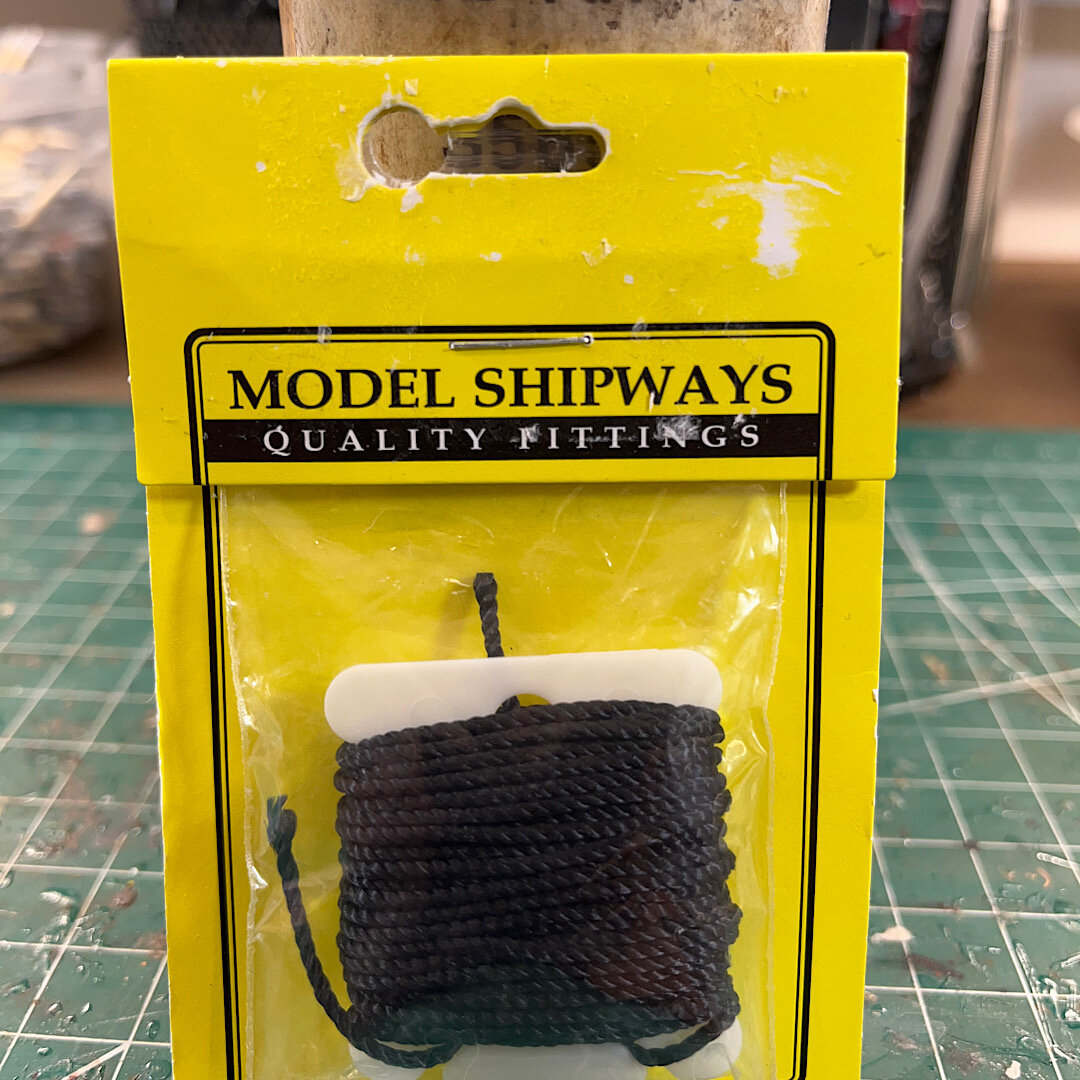
I’ve built a couple of these in the past. They are relatively cheap, and easy to build. You can buy most of the material from any home improvement store. I use Lowe’s (they offer a military discount with an I.D.). The scene that my diorama depicts is a fully armed F-18 taxing towards a catapult for launch, with the aid of a plane director. Aircraft routinely taxi over the arrestor cables to get to the catapults. SUPPLIES: These are the following item that you need. 1. 2’x4’ 3/4” CDX plywood. The going price for a 2’ x 4’ sheet right now is around $34 dollars. . I build large bases. I can usually cut two bases out of one piece . You can build several small diorama bases out of a 2‘ x 4‘ sheet. 2. 3M 100 grit sandpaper pack. (Paint section)This is the easiest way to simulate the nonskid surface. (Ground based runways, Taxiways as well)3. Loctite contact adhesive. (Paint section) (To glue the sand paper to the plywood. 4. 3/4” high oak trim. (For a finished edge on the plywood) 5. Wood stain for the oak trim. ( paint section). They sell very small cans. Polyurethane clear coat (optional) 6. Miter box and miter saw. To cut the oak trim. (Tool world section). 7. Trim nails to attach the oak trim to the edge. (Hardware section). 8. Wood glue. (To spread on the edge of the plywood before you nail the oak trim to it, paint section) 9. Nail set. To counter sink the trim nail heads just below the surface. (Tool World section). 10 Felt pads. Put these on the bottom of the plywood so that it can be easily slid, or picked up.(Hardware section) These are the following model supplies that you will need; 1. Tom’s Model Works aircraft tie downs. They come in different scales. 2. Paint to airbrush the lines on. Either enamels, or acrylics. 3. Tape to paint the lines. 4. Some type of string to simulate the cable. I used Model Shipways. 5. Scrap photo etch. (To simulate the leaf springs that keep the wire suspended above the deck). CONSTRUCTION: 1. Choose the size of your base, cut to size. A good manual hand saw can be used, with good results. Make sure to draw the outline of the base on the plywood using a pencil and ruler. Make sure everything is square. 2. Prep the sandpaper to glue on to the plywood. Take a piece of sandpaper, and turn it, print side up. Take a ruler and draw intersecting lines. Where the lines intersect, is where you will punch a hole in the sandpaper so that you can glue the tie down in the center of the hole. 3. Glue the sandpaper to the plywood once all of the holes have been punched. It’s a good idea to take a ruler and draw a starting line on the plywood to line each piece of sandpaper up. Take painters tape and mask off the surrounding area of the plywood that you do not want to get contact adhesive on. Spray both the plywood and sandpaper with adhesive and wait 3-5 minutes. Line up the edge of the sandpaper on the line that you’ve drawn on the plywood. Press the sandpaper firmly down on the plywood. When all of the sandpaper has been attached, take superglue and glue each tie down in the center of each punched hole. 4. Airbrush various shades of gray to get the desired base color. 5. Once dry, measure and tape off the lines you wish to put on. 6. Add oil and grease stains once everything is painted and dry. 7. Stain and attach oak trim to the edge of the plywood. If anyone is interested in building one of these, and you have questions, feel free to message me. I’d be glad to help.