
Ron Bell
-
Posts
1,882 -
Joined
-
Last visited
-
Days Won
179
Content Type
Profiles
Forums
Events
Everything posted by Ron Bell
-
i have always thought that the Buffalo was a victim of a lot of "Monday Morning Quarter Backing". Everyone compares it to the "Zero" which was an unknown quantity at the time. Yes, the Japanese 'beat' us in developing longer ranged carrier aircraft, but the Buffalo wasn't all that far off from what was at the time a sound aircraft. Engineering was moving so fast that aircraft development could hardly keep up with all the advances. Many Dutch and Finnish pilots liked the aircraft and used it effectively against their enemies. They found that pilot training/expertise and tactics could overcome enemy technical superiority for at least a while. In the long run, however, the better machines won out and the Buffalo succumbed to it's technical superiors.
-
 I don't think they asked how many Nats one had attended, just if it was your first or not, so the data is not there for such a breakdown. Or did I forget that part? However, it is a suggestion for future surveys going forward. One thing to keep in mind is that there is a point where if a survey is too long/involved, people just won't take the time to fill it out. Then your response level goes down and thus the validity of your data. You've got to figure out what you want/need to know and just ask questions about that and to avoid "mission creep". Maybe have a central core of questions you ask every time, but then have some more detailed ones about different areas of the show each time. One year you ask more detailed questions about the contest, the next about the awards ceremony, etc. Just a thought.
 -
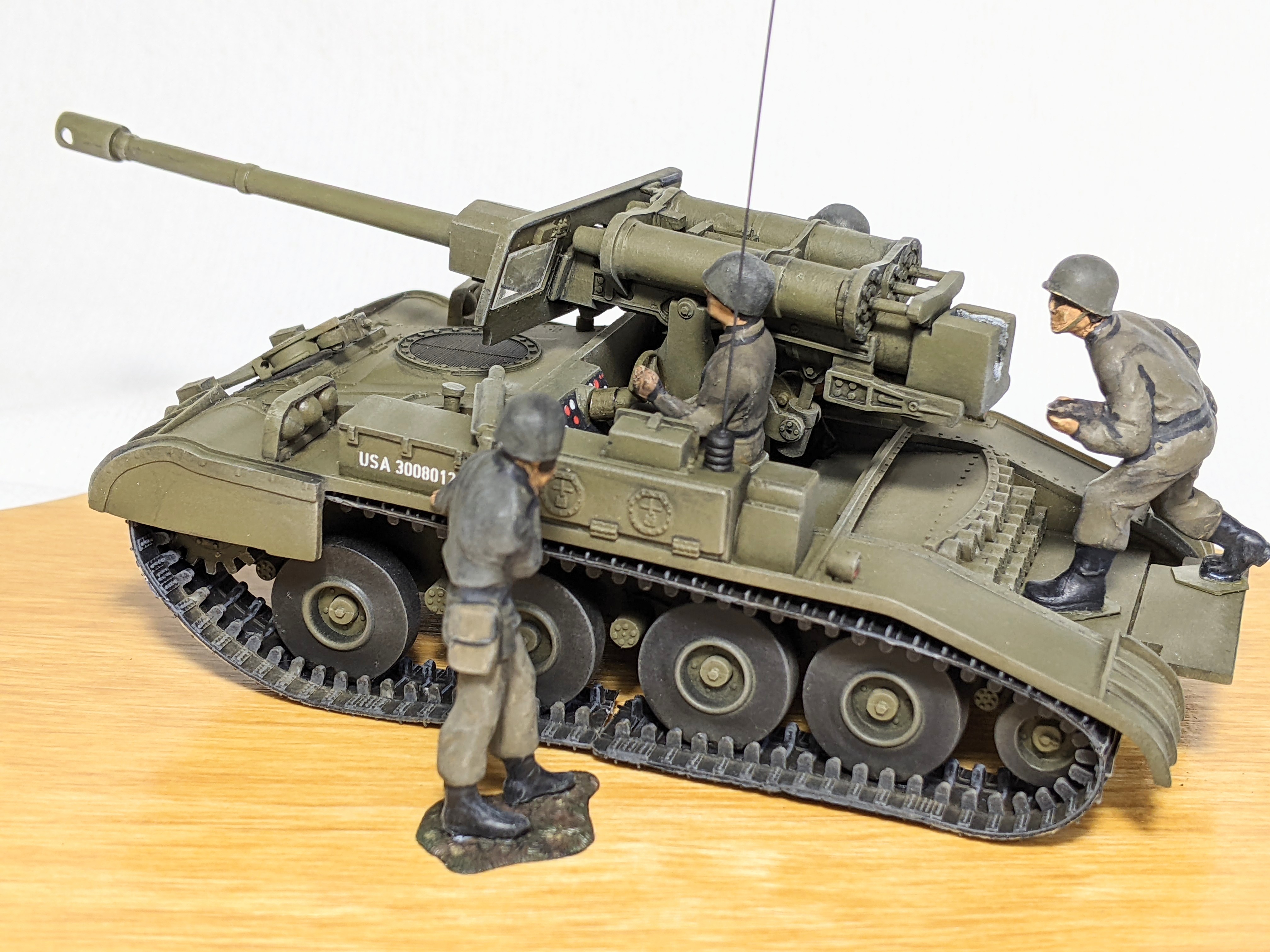
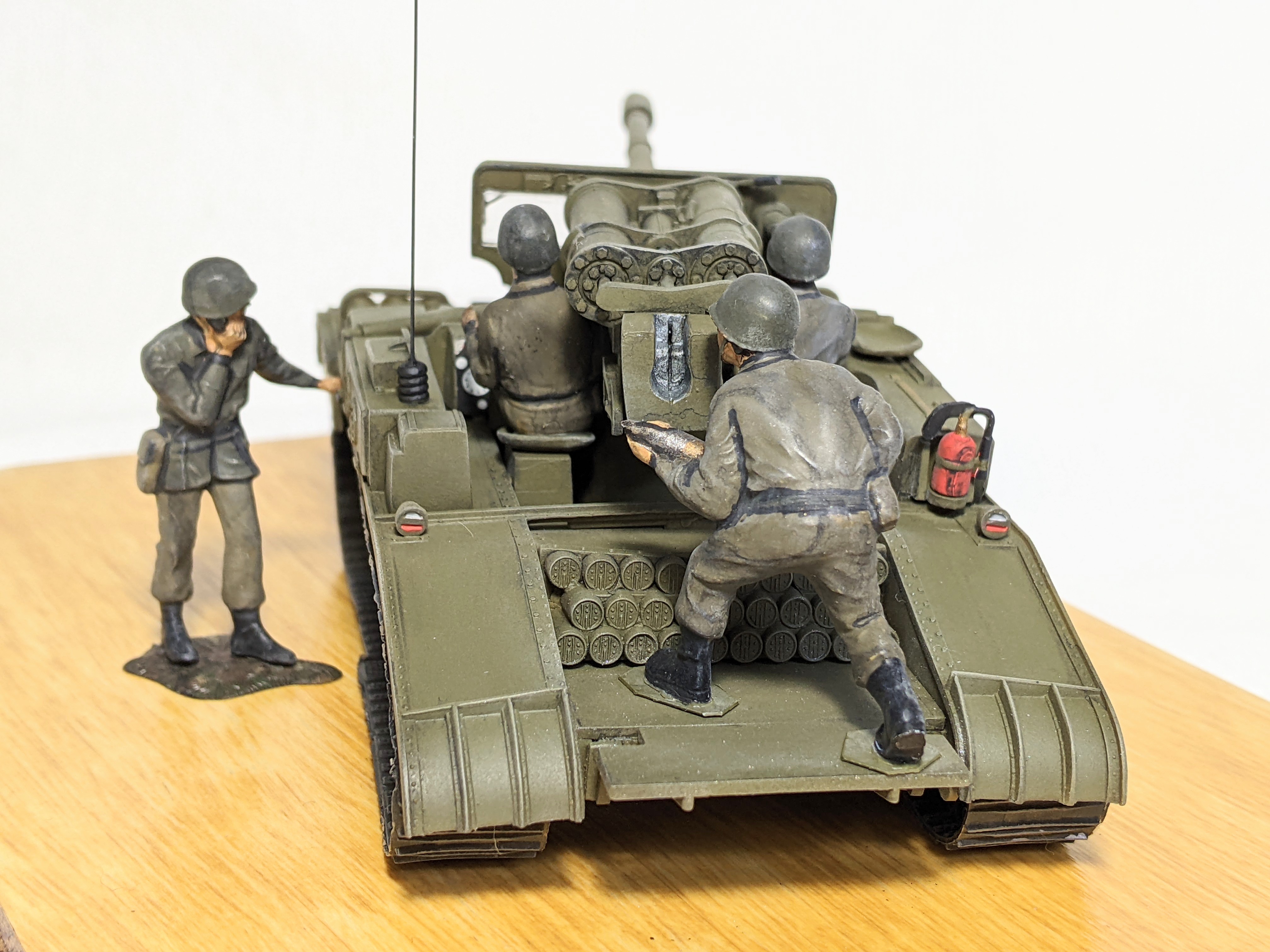
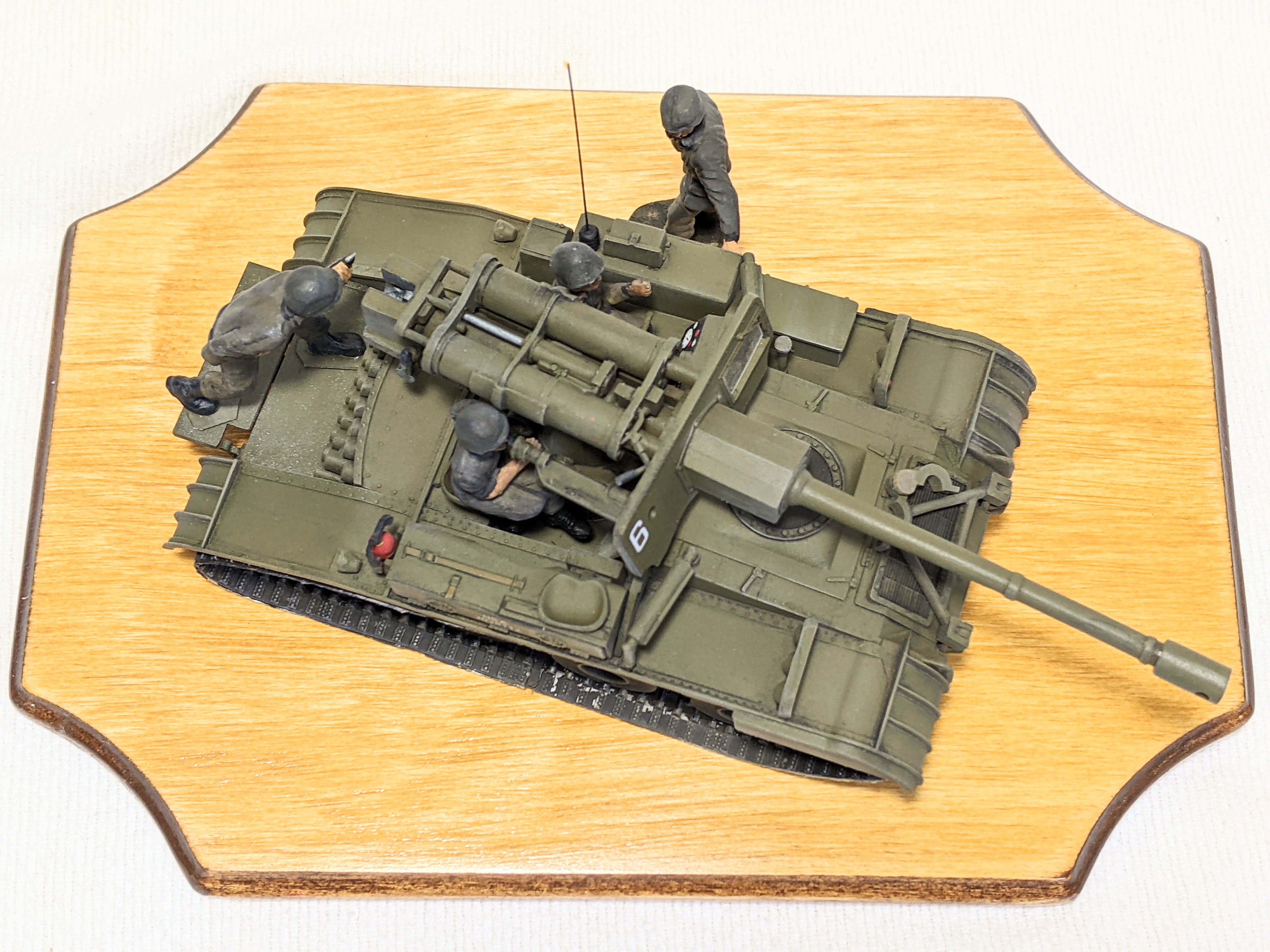
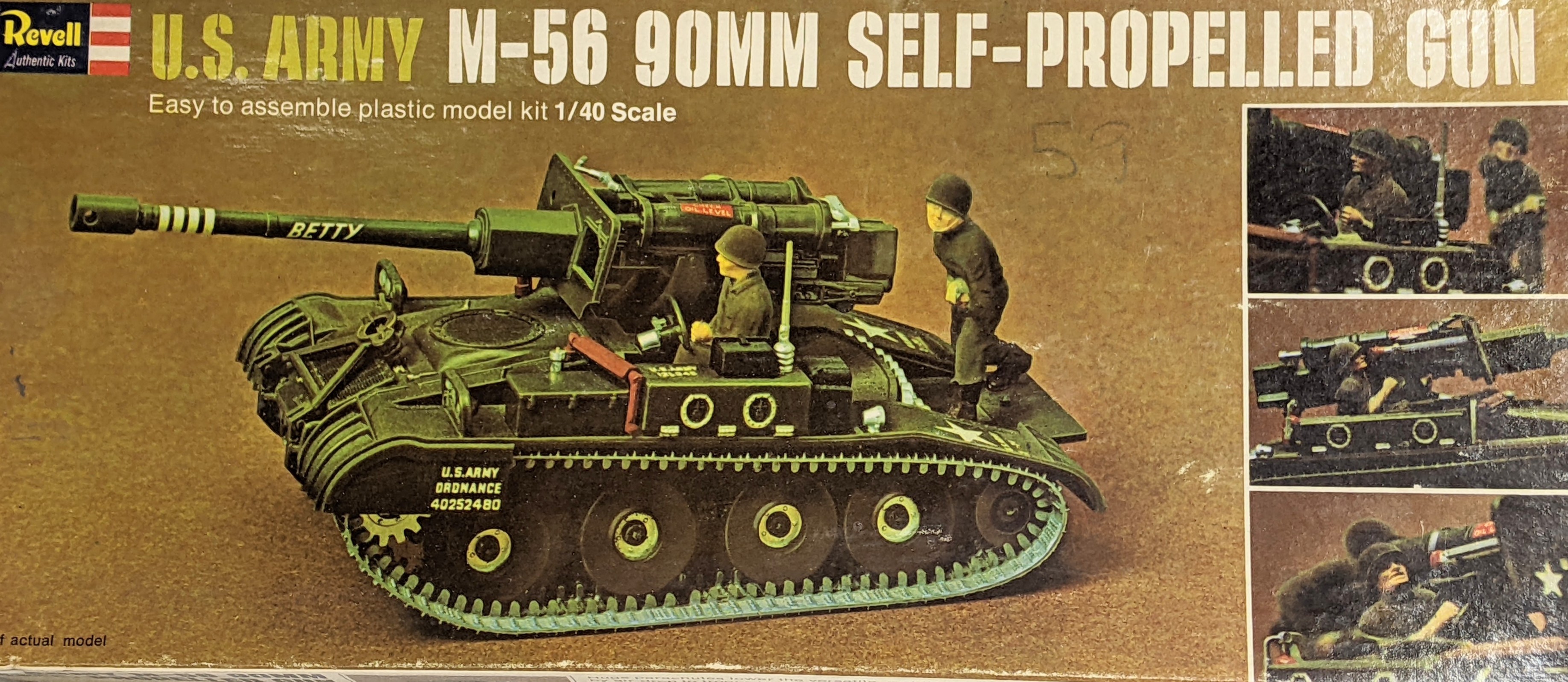
I first did this kit as a kid back in the 60's. The gun traverses and elevates and even recoils. The tracks can even be made to go around if you push down hard enough on it on the rug. Loved this vehicle, but with all that use/abuse, it didn't last long. Fast forward 65 years or so and I got a wild hair to do it again. So, here it is done OOTB with the exception of some clear acetate for the windscreen and decals from the spares box. The figures are typical 1960's figures and are difficult to paint correctly, so even if I had the necessary skills, which I don't, they still wouldn't look all that good. The kit is actually pretty detailed for it's age and was nicely molded with little flash, but all sorts of mold seams. But here it is, a flash from my past.

-
Off topic but pertains to Nats!!!
Ron Bell replied to Jeff Herne's topic in About the IPMS/USA National Convention
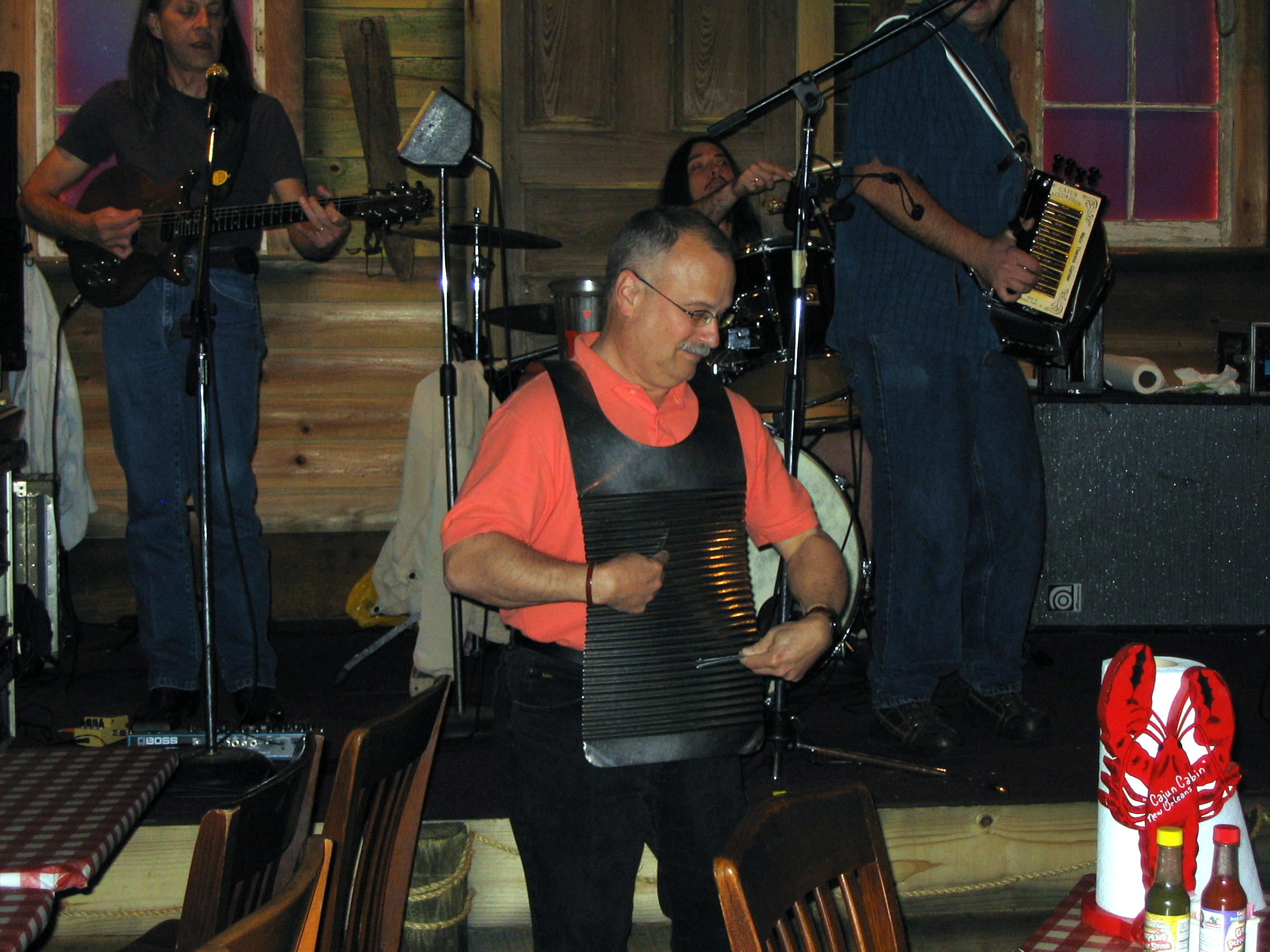
I can play washboard.
-
Another problem with Microscale stripes is the carrier film on either side of the stripe. You may need to trim the stripe pretty lean to make it work. but they do work a treat and like I said, they have all sorts of colors and widths, including metalics and they are readily available via their website.
-
2022 IPMS Nats. Survey Results
Ron Bell replied to wdedig's topic in About the IPMS/USA National Convention
I must have missed this. What was this survey? -
Microscale does a wide variety of colors and widths.
-
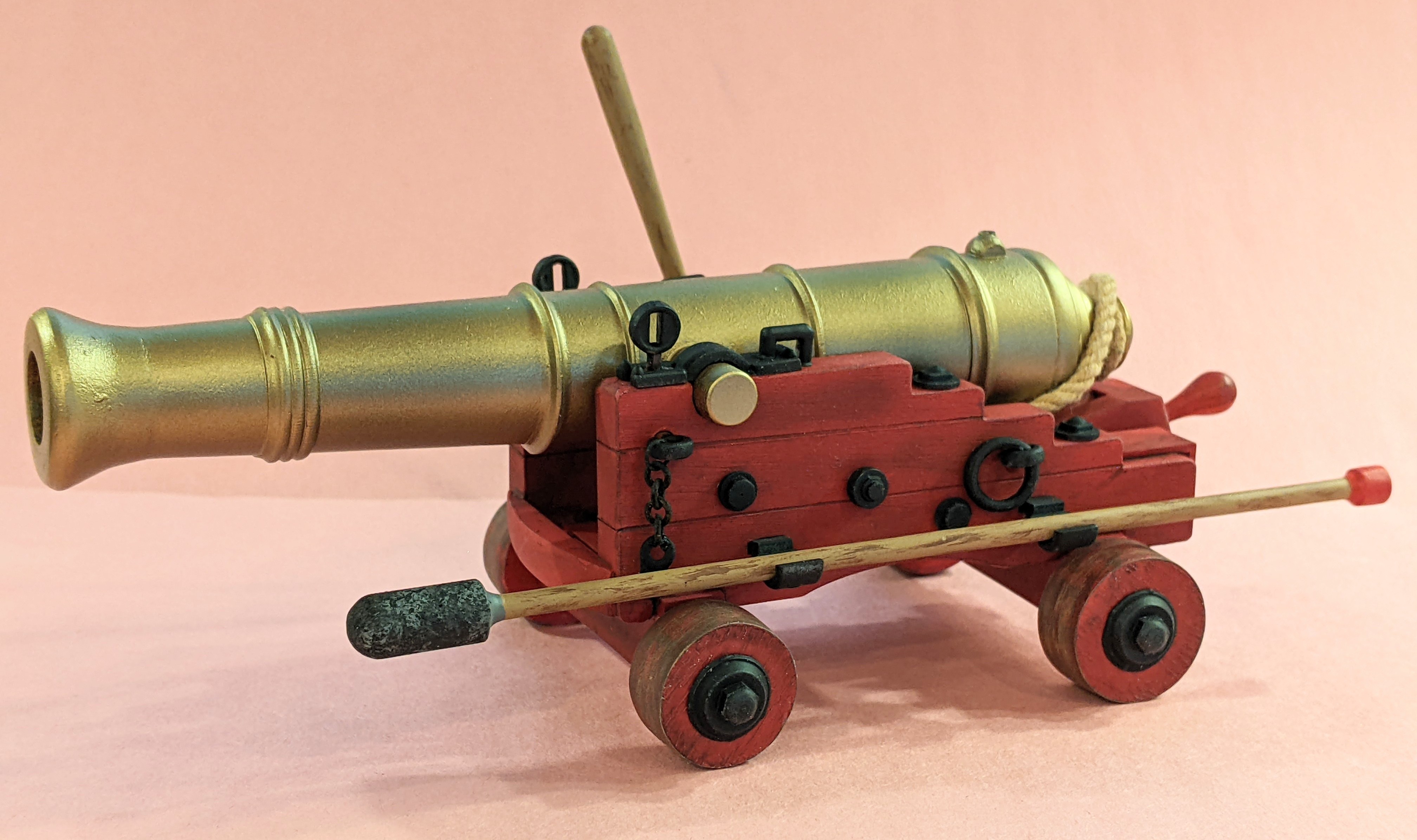
Actually, until better ways of casting iron were developed, bronze was the preferred medium. It cast at a lower temperature, was easier to work with, and did not rust/corrode when at sea.
-
I'm old school, I guess. Just get some garden variety dirt, put it through a fine tea stainer to get the extraneous organic matter and lumps out, mix it either with dullcoat or gloss coat, depending if you want wet or dry "mud", and apply. An option is to mix it with diluted white glue to avoid any possible damage to undercoats of paint/wash, although this may necessitate some gloss and/or dull coat after it dries. Finish "dry" mud with a dusting of appropriate pastel chalks.
-
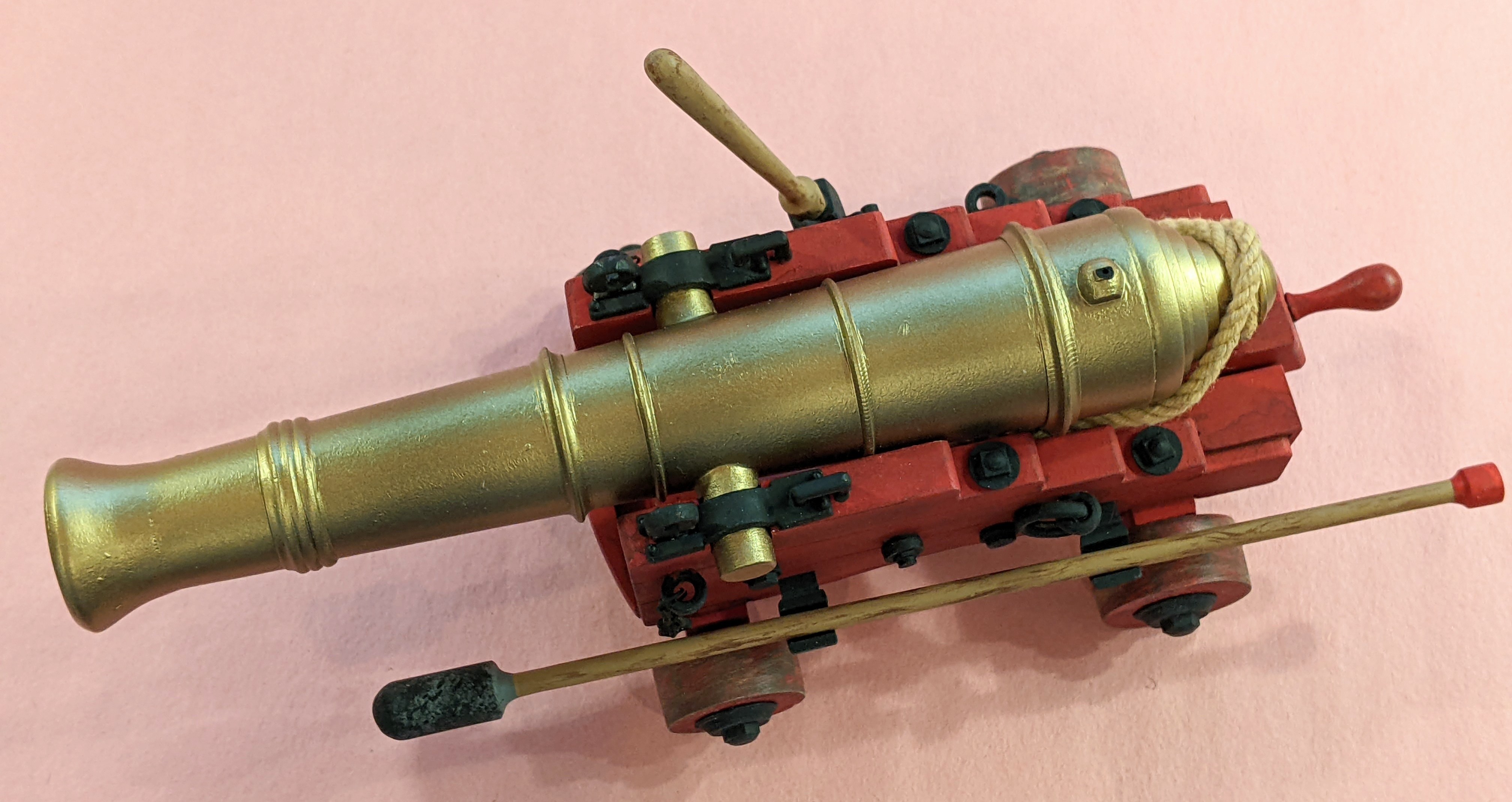
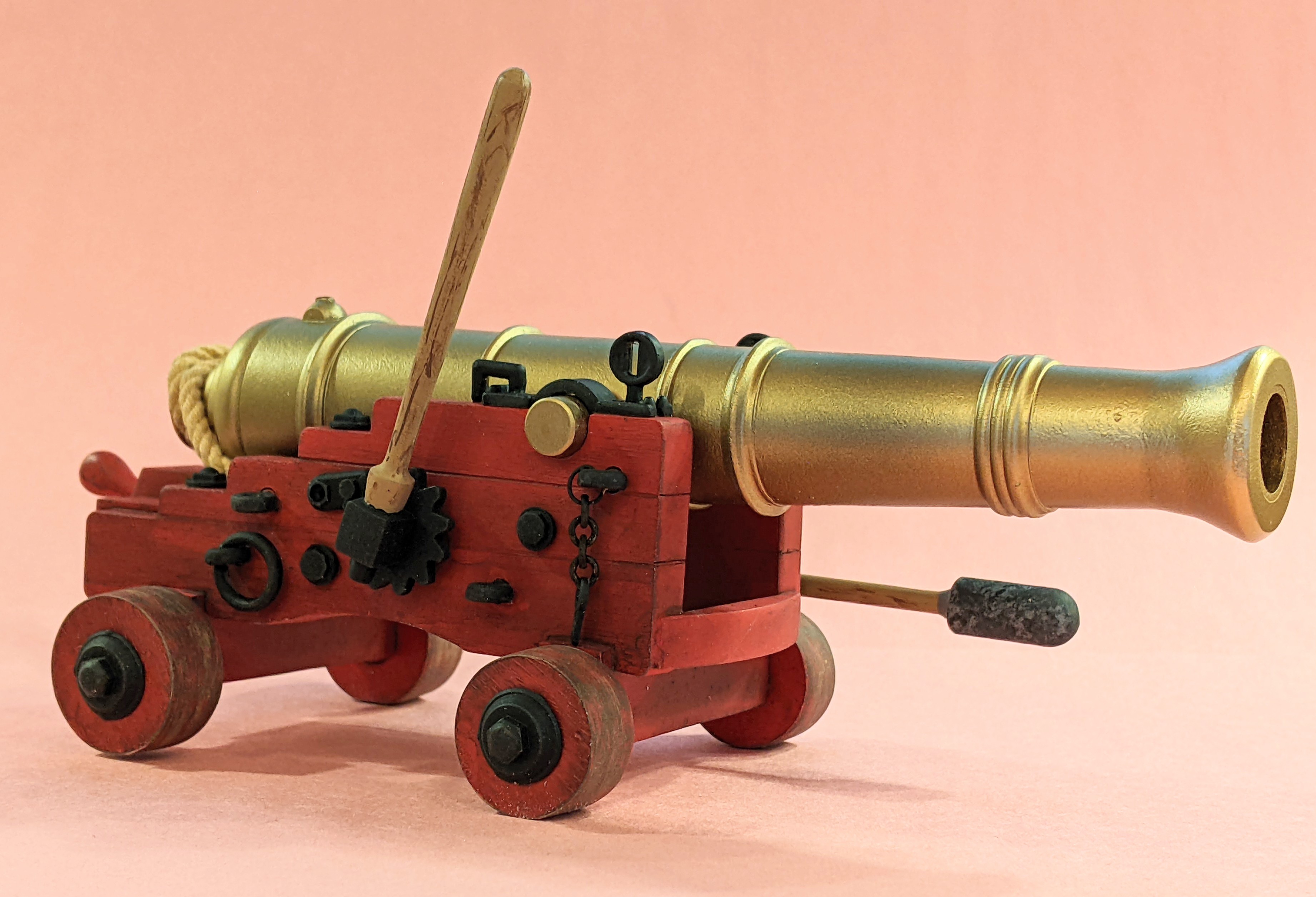
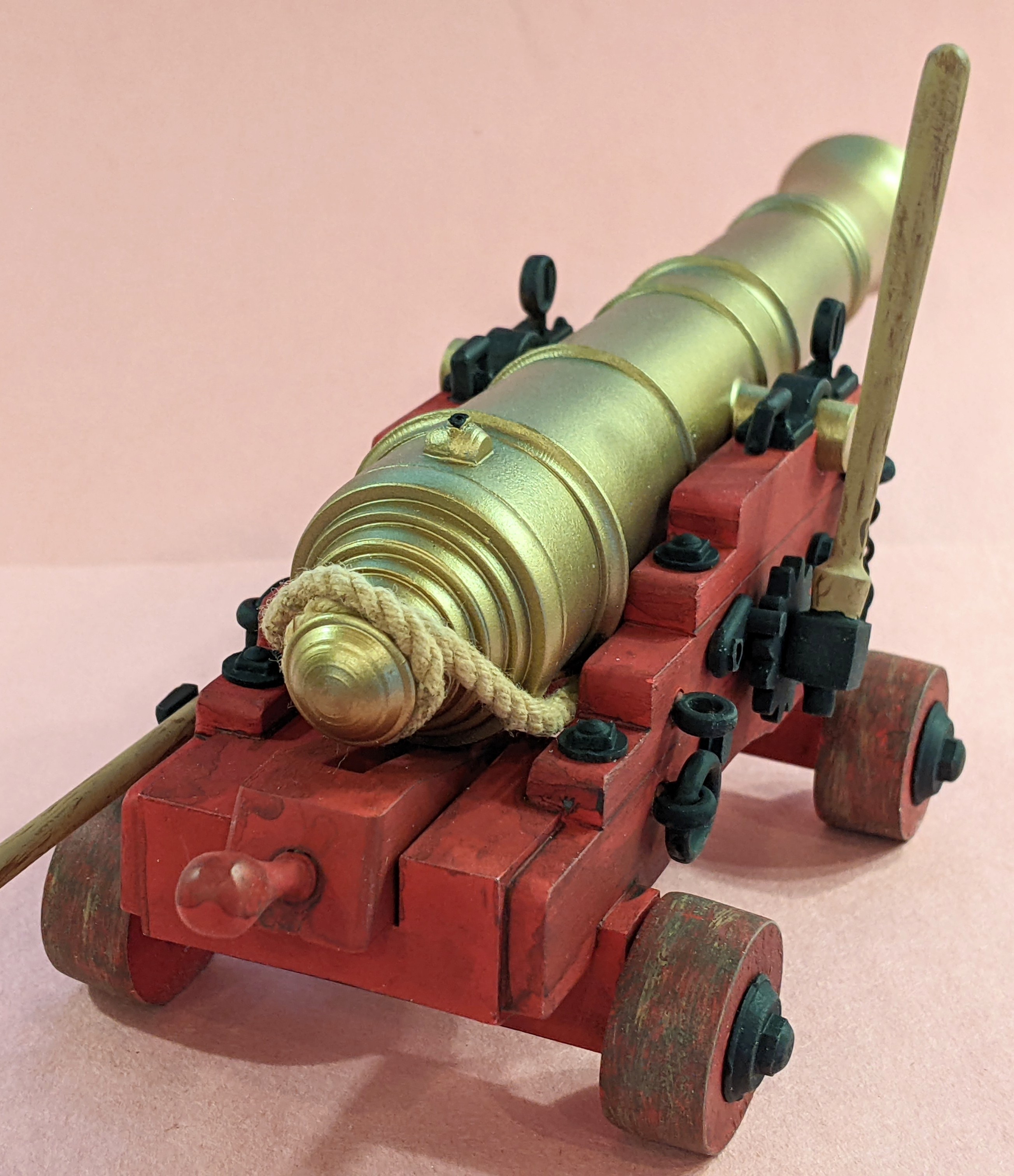
Here's number four in my obsession. I painted it as a bronze cast gun would have appeared in Royal Naval service. Strictly out of the box with the exception of closing in the backs of the wheels, which you can't see anyway, and adding a "bore" to the gun rather than the open maw the kit has.
-
You might want to move your question to one of the aircraft topics. This is for ship models and you might not get many responses here.
-
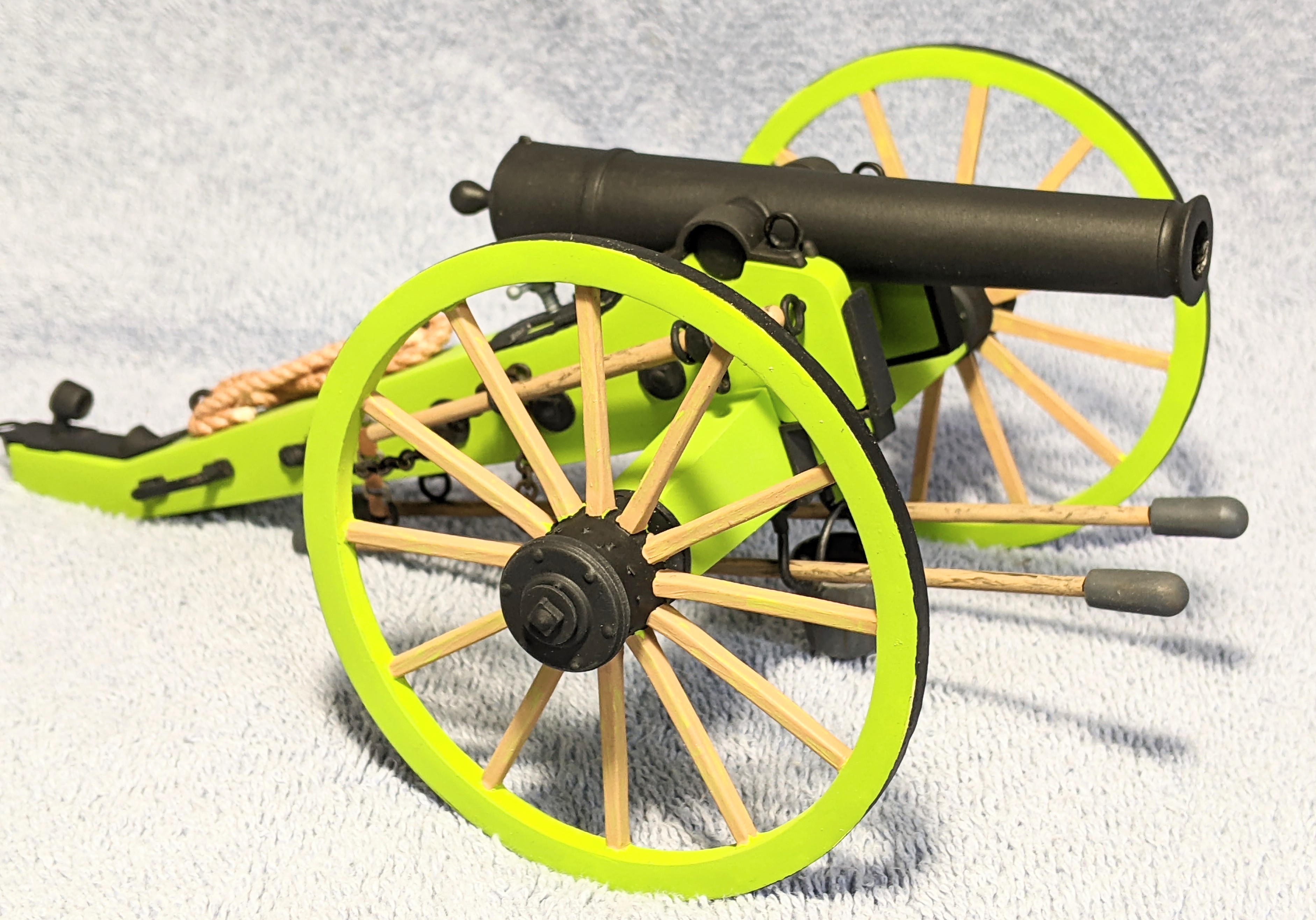
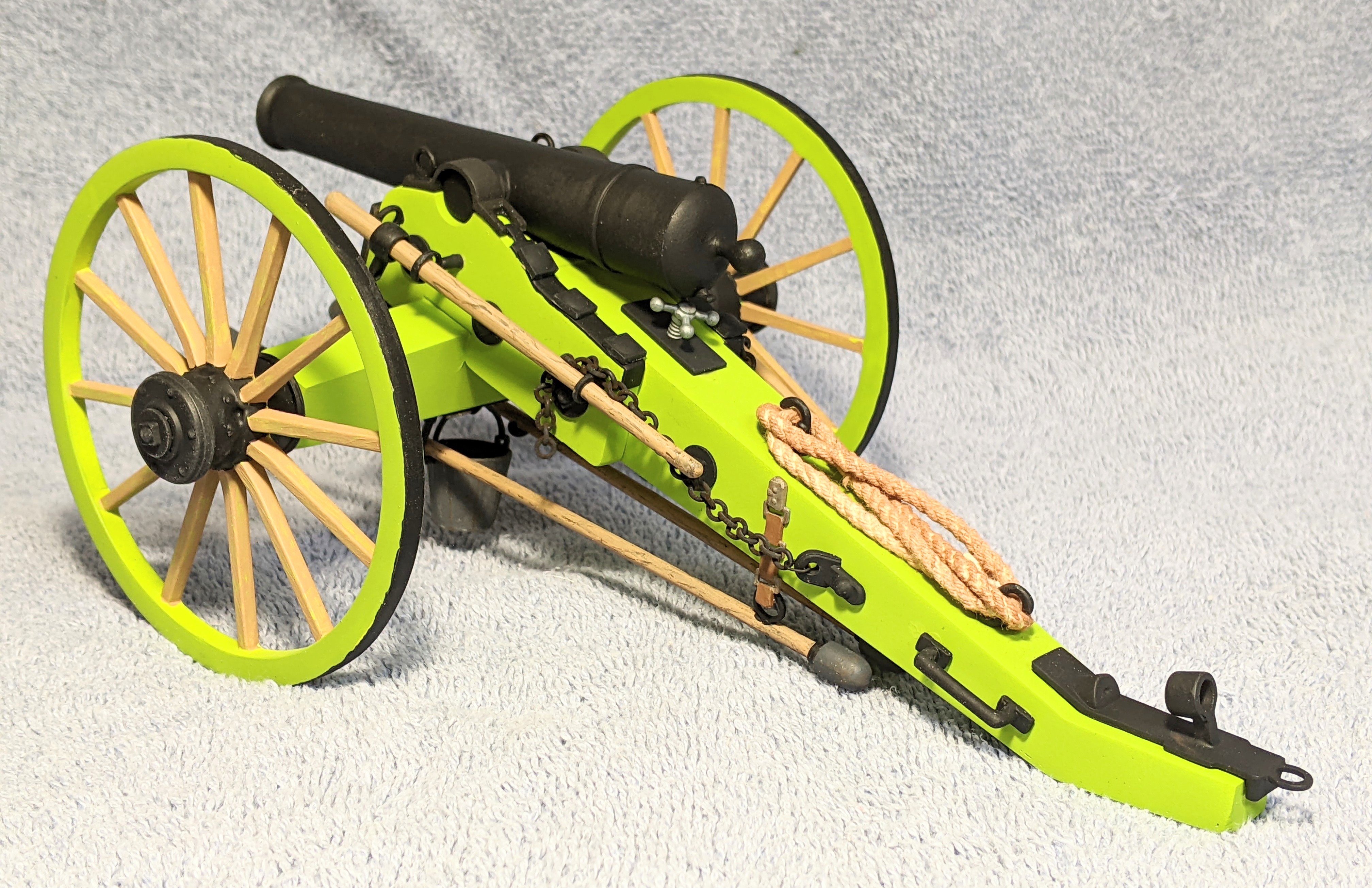
This is the third of the five artillery kits that Palmer did, their "Civil War Cannon", which I have found out to be an 18 pdr. They called it a 'parrot gun', but it does not have the typical bulge over the breach area that is typical of those type guns, but then again, I'm no expert. I build models. Anyway, the only thing I did to this one was close in the carriage and put a piece of styrene tubing down the muzzle to simulate the barrel better. The rest is OOTB. Lot's of flash, mold seams and sink marks to deal with, but it builds up into a nice display piece, if not an authentic replica. I chose the color for the carriage on a whim. The various memorial cannons and those on battlefield parks are painted all sorts of colors, so I just went with this. PS: Jeesh, I think there are only 4-5 of us that post here.
-
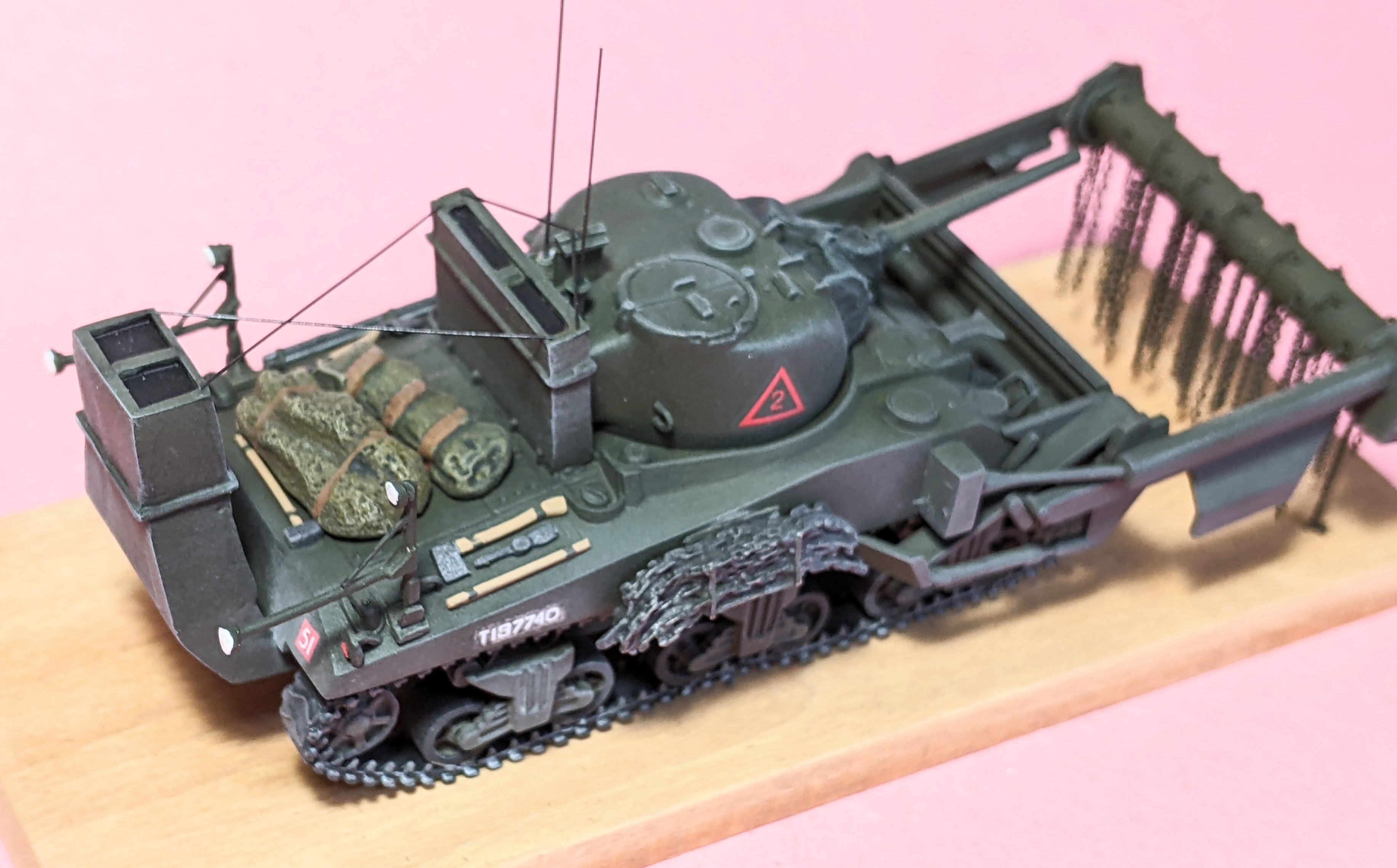
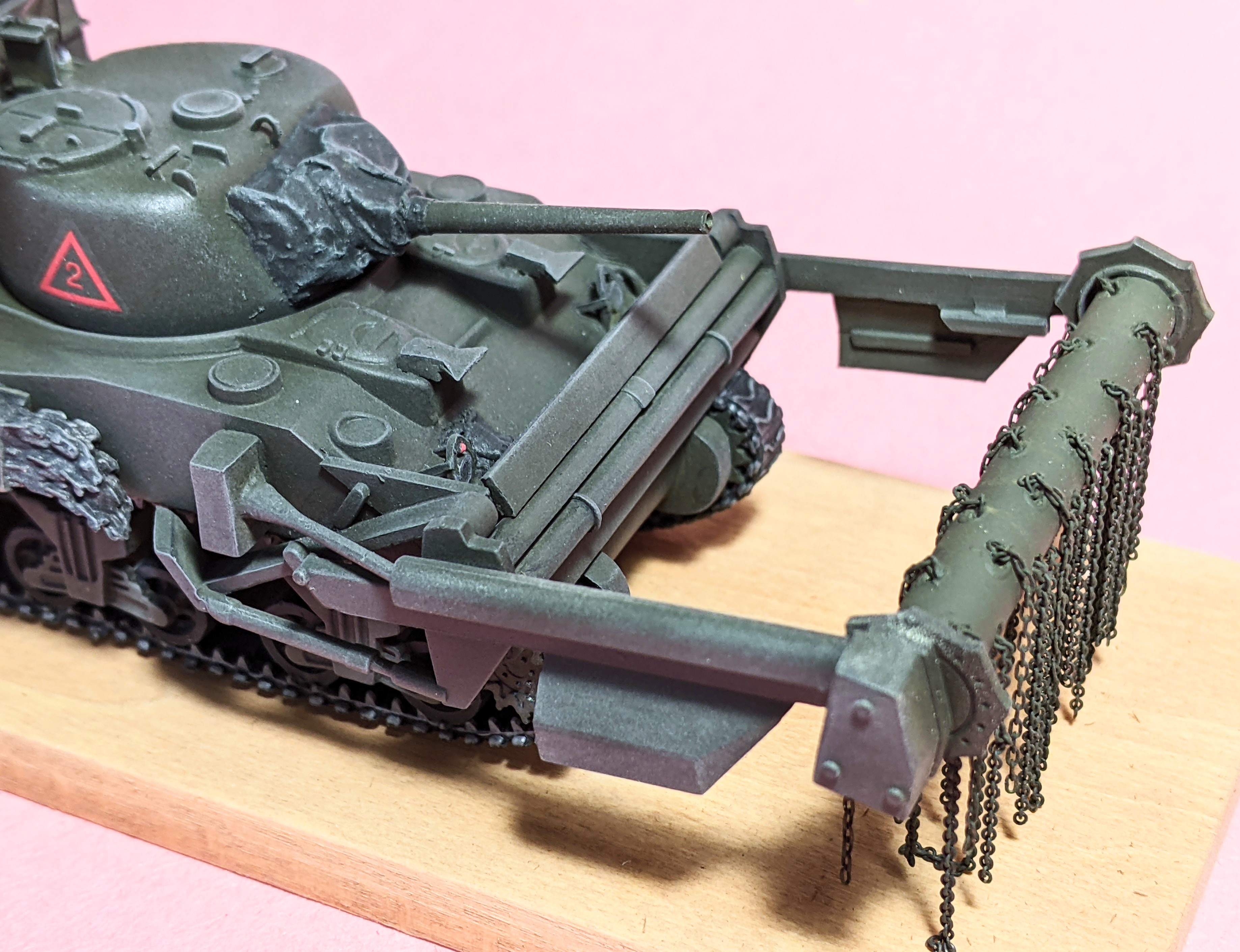
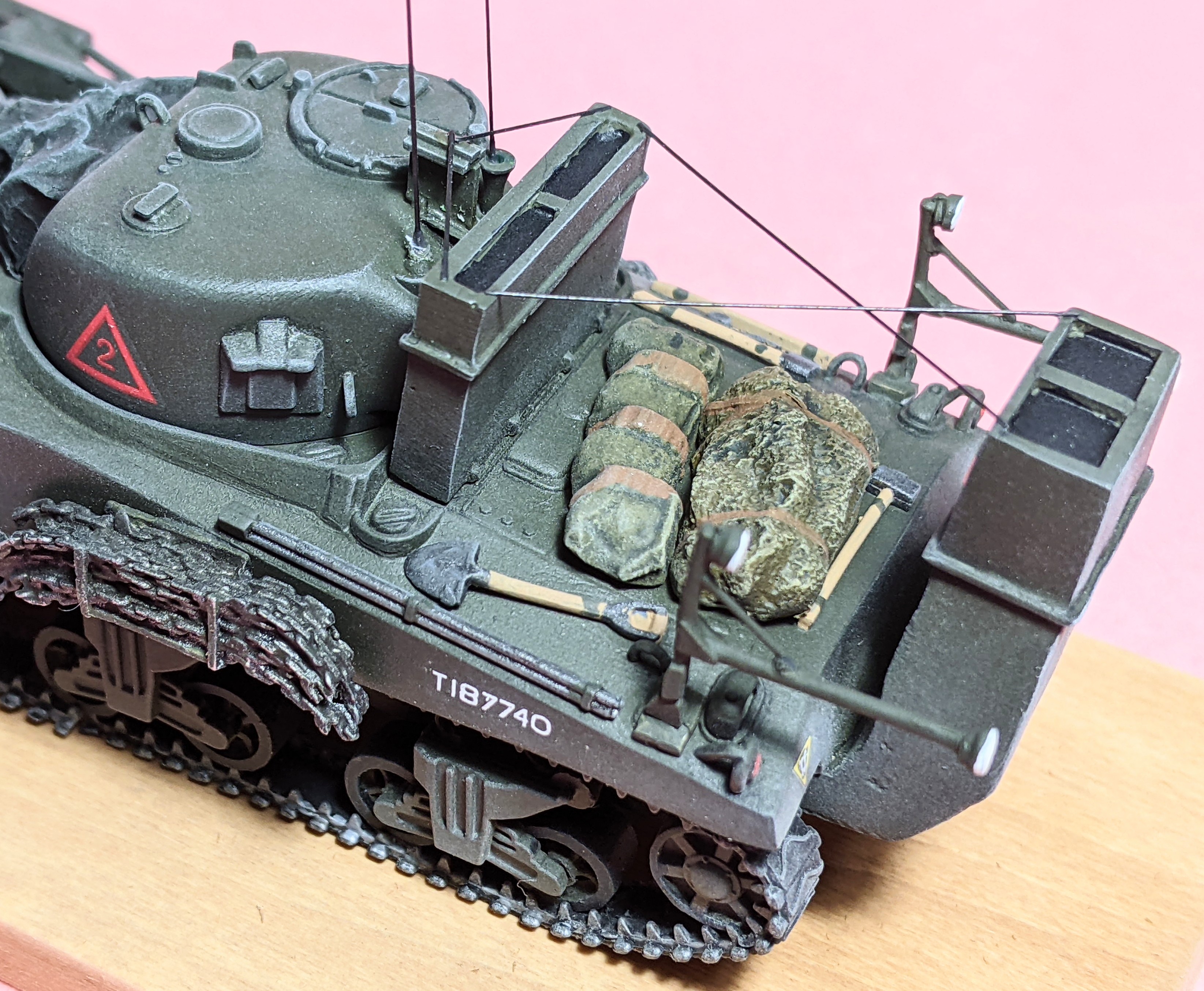
When I decided on doing a Sherman Crab, I looked at my options. The Airfix Sherman Crab is based on their ancient Sherman I kit, which is very very basic and some say dimensionally incorrect. However, the Crab mechanism, while also a bit basic, is useful, but being in 1/76 it limited other kits that could be used with it. Enter the Matchbox Firefly kit, which is in 1/76 scale. It's based on a Sherman V, the A4 version with the Chrysler multibank engine. It just so happens that this was also one of the more numerous of the Sherman types supplied to the UK (mainly because the US didn't want them) and was quite often adapted to mine clearance duties via the Crab conversion. A quick check showed that the Airfix Crab unit fit nicely onto the Matchbox hull. However, there are a few changes that needed to be made to change it from it's Firefly configuration to a "normal" A4. The square loaders hatch on the turret top and the bustle radio compartment were removed as was the gun cradle on the engine deck. I didn't need to reinstall the hull MG, which was removed from Fireflies to provide for additional storage of the large 17 pdr. rounds, as it was also removed from the Crabs. I substituted a normal 75mm barrel for the 17 pdr. of the kit as well. The Airfix Crab arms were missing the guard on the left side, so I added that from sheet stock. Then I added assorted other detail parts from other Dragon and ESCI kits, which while 1/72 scale, fit and looked fine and I added track return guides to the bogey units out of left over PE fret material. The flail rotor and chains provided in the Airfix kit look silly, like they are starched out straight, so I substituted a piece of styrene tubing for the rotor and used scale chains for the flails. Along the way, I decided to do a D-Day Crab, so I needed deep wading trunks. S&S models makes white metal ones for all Sherman types. I had to modify mine as most photos I found showed the rear one not having the deflector head, so I cut it off and added the ribbing on the top. There was also a water/dust proof covering over the mantlet and hull MG position, so this was made out of tissue soaked in white glue. Final touches were tools and stowage from the spares box, lane markers, extra chain holders and hull periscope extensions from an SandS models Crab conversion kit I didn't use and wading trunk braces and antennae made from stretched sprue. I noticed in the photos that the serial number decals on the hull side look cloudy. They aren't in reality. They do, however, have a slightly different surface that apparently photographs this way.
-
Tricky business this midnight stuff. Midnight for any given day is usually assumed to be the hour after 11 PM. One minute after that hour is the next day, the midnight of which is assumed to be the hour on that day after 11 PM. Accordingly, 00:01 on September 3rd is not midnight for that day.
-
Embassy Suites Reservations: Tonight!
Ron Bell replied to LenPilhofer's topic in About the IPMS/USA National Convention
Len, You probably want to get the link to your convention web site up on the front page of the IPMS/USA website as that may be the first place that people go to find it. -
Great luck on that treasure trove. Supplies are always good to have. As to that Martin Scout, hard to tell the scale from the photo. Is it plastic, vacuform or resin? If 1/72 and resin it may be this kit.
-
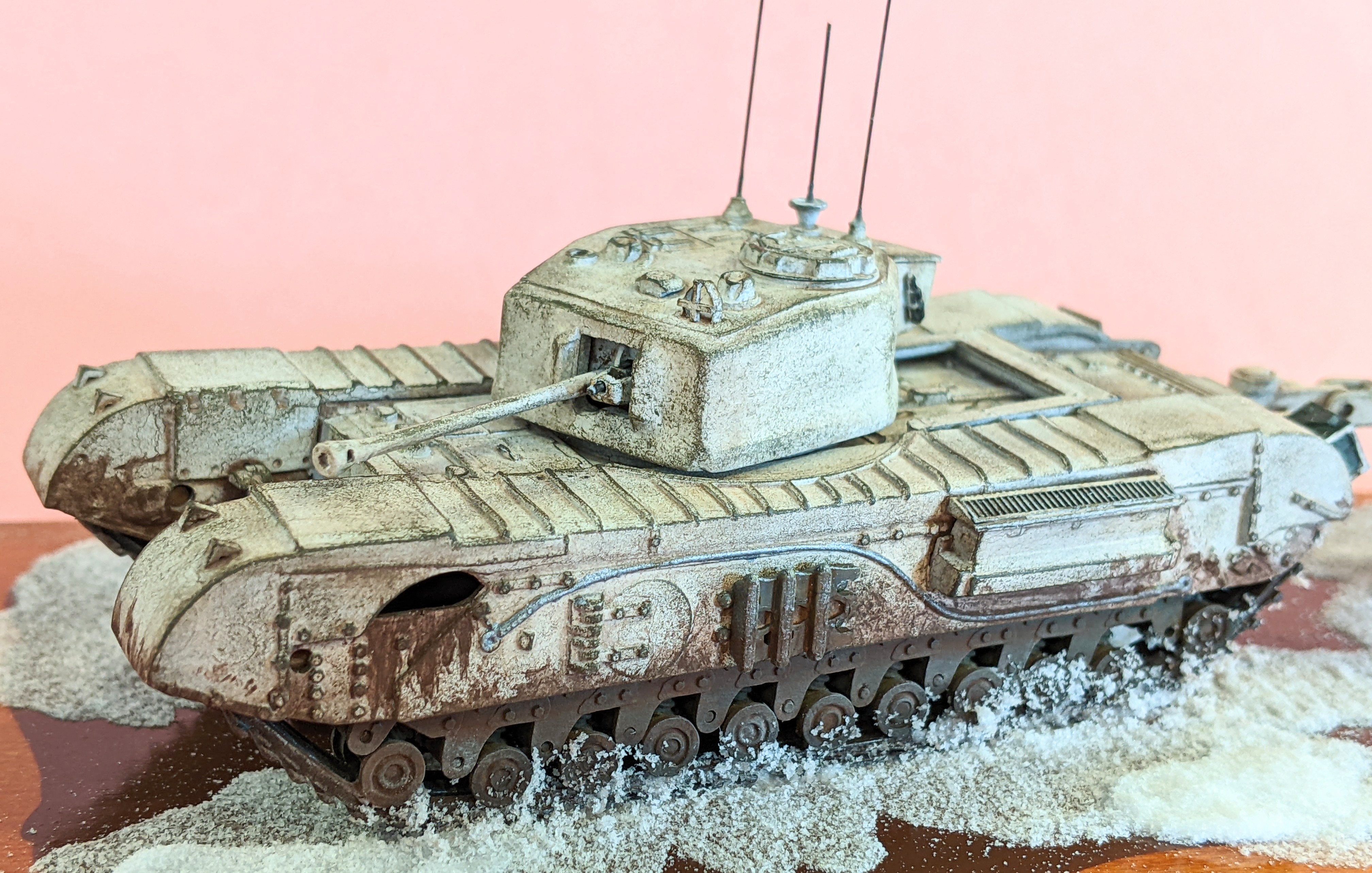
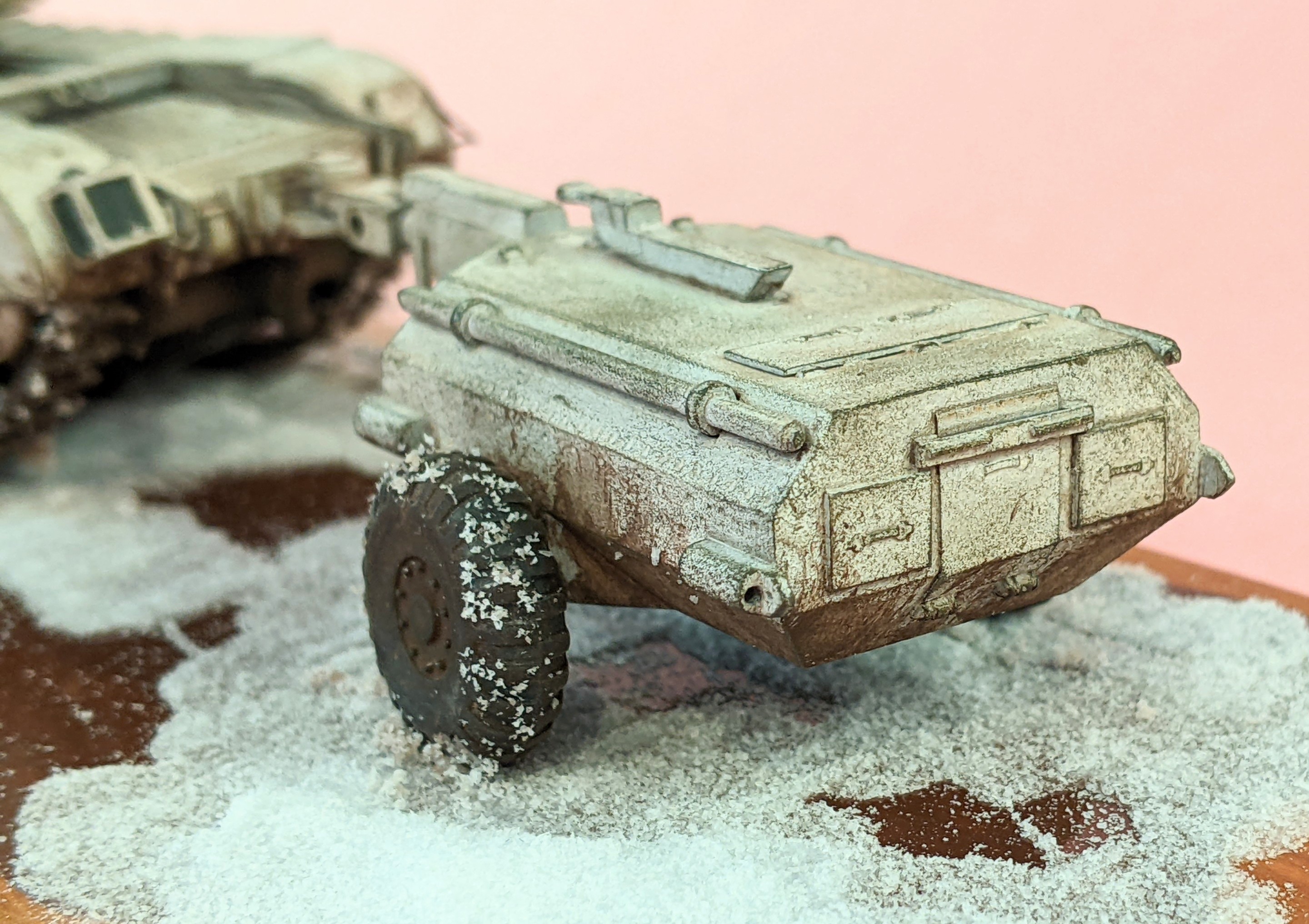
This kit is an amalgam of the 1961 vintage Airfix Churchill with a few extra parts for the flame conversion and a new trailer. The tank needs a lot of love to bring it into the 21st century and the trailer is rather plain and needs extra work to improve its looks.
- 1 reply
-
- 3
-

-
Sorry, I found the book Verne's 20,000 leagues incredibly boring. Just a cataloging of various fish species interspersed with some non-action. I kept wanting something to happen, but it never did, Even the ending was boring. It was like he got tired of writing the story and just gave up. Maybe it was exciting in the 19th century, but it just doesn't hold up over time. Or it could just be me.
-
Here's its look-a-like cousin from Italy.
-
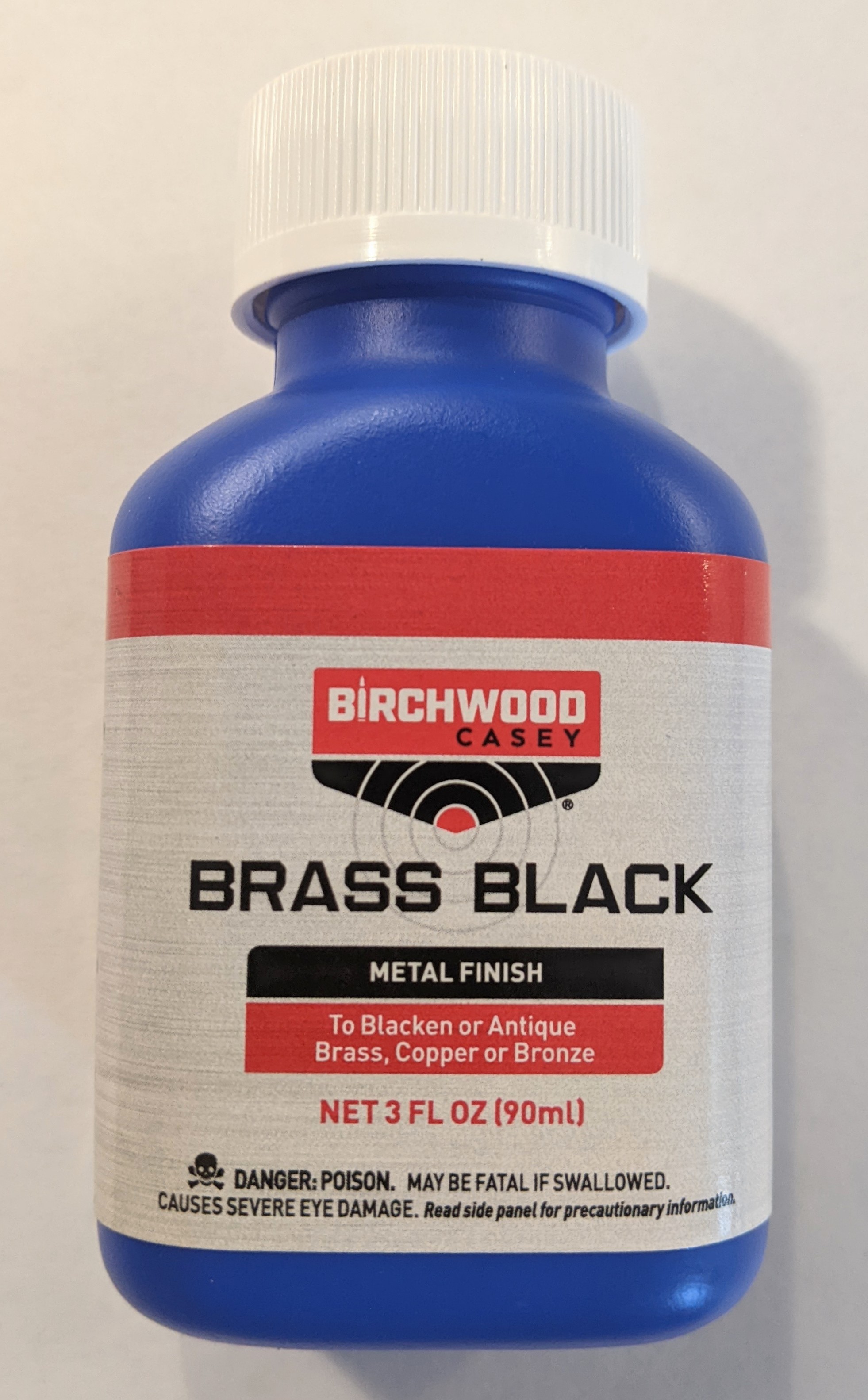
For anyone who wants to blacken brass and/or bronze parts, the demise of the product "Blacken it" caused a hectic search to find a replacement. I've seen all sorts of other things used, some useless and others dangerous, but I found this on the internet and it works great and a little goes a long way.
-
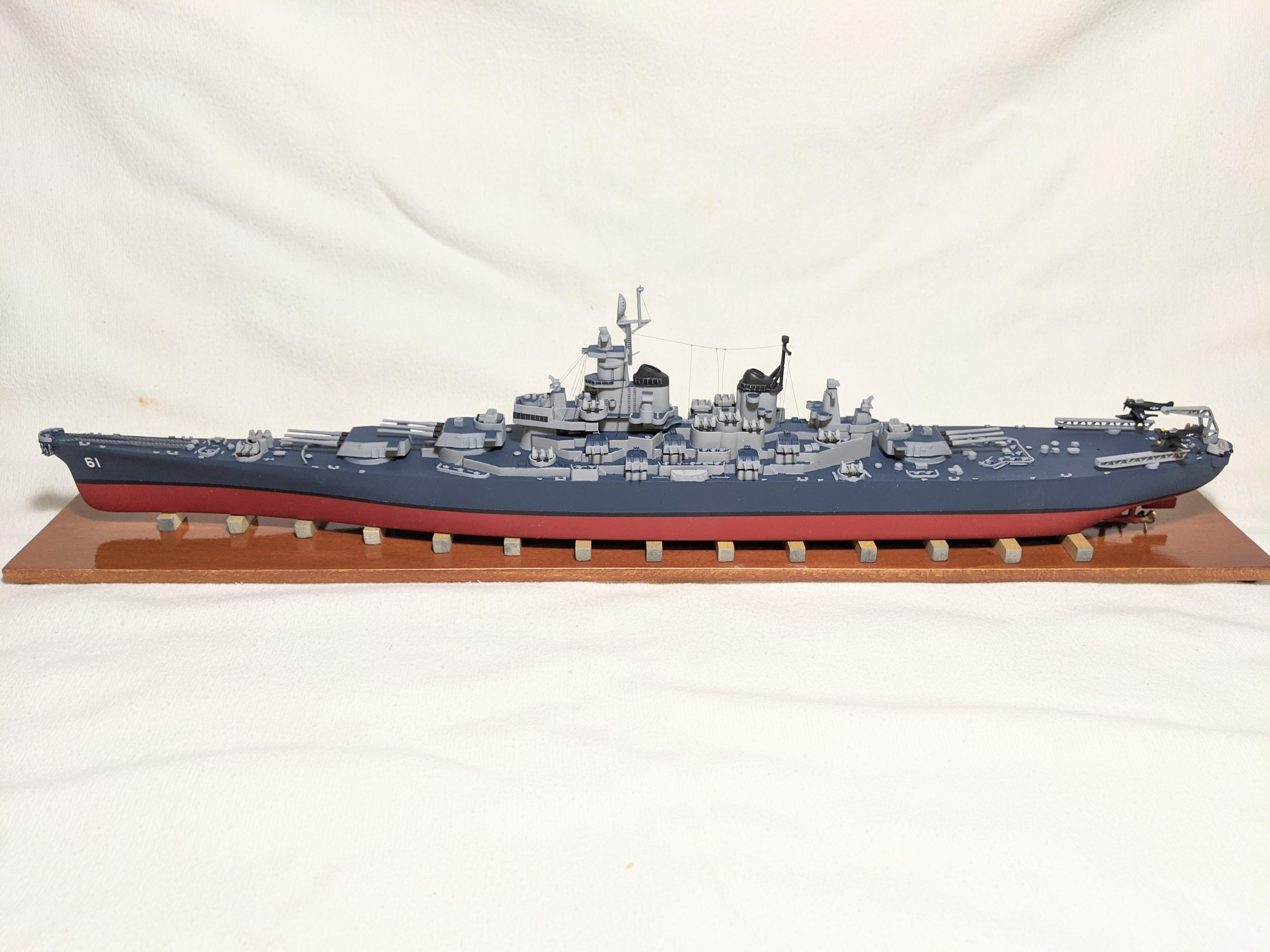
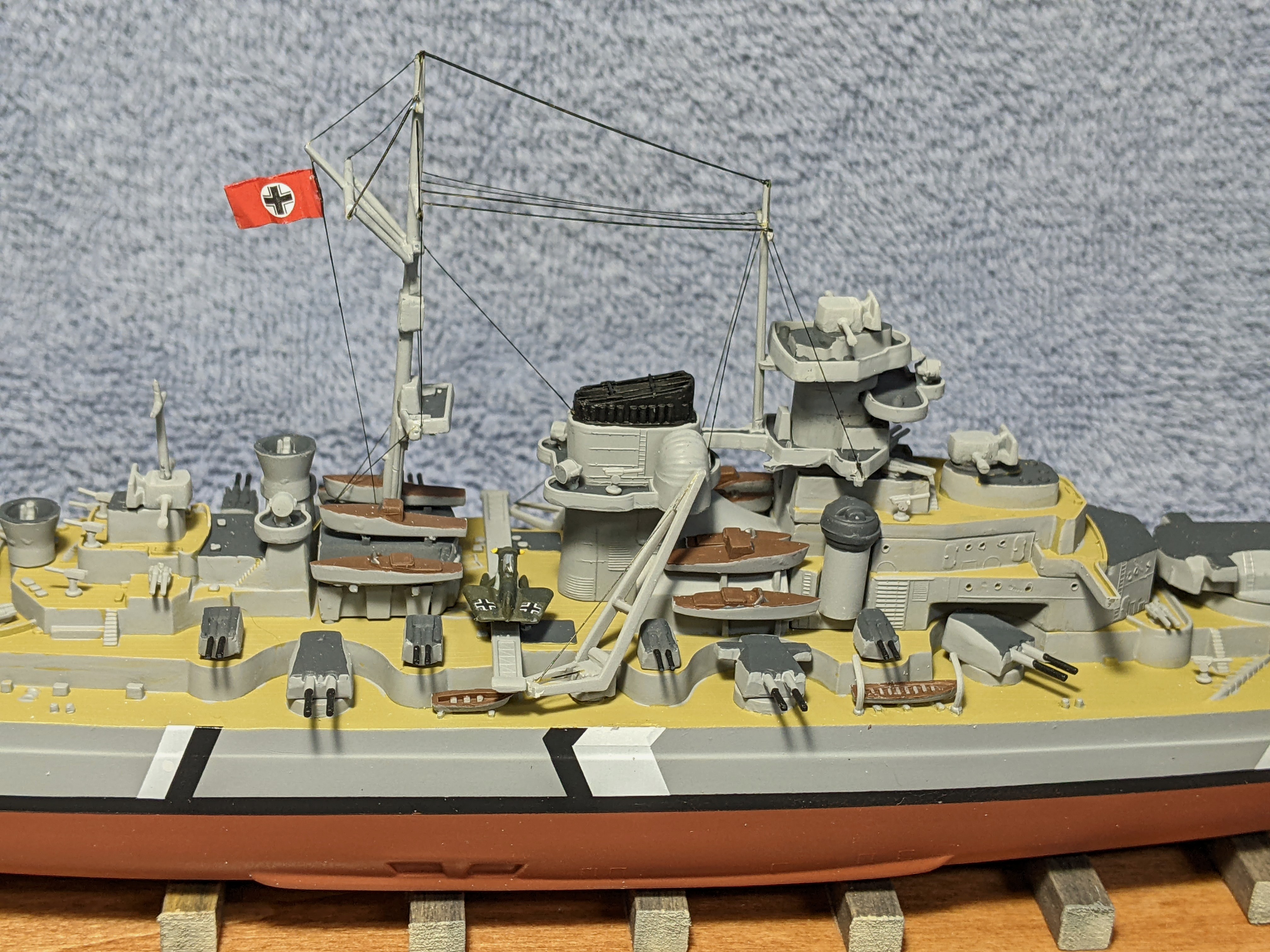
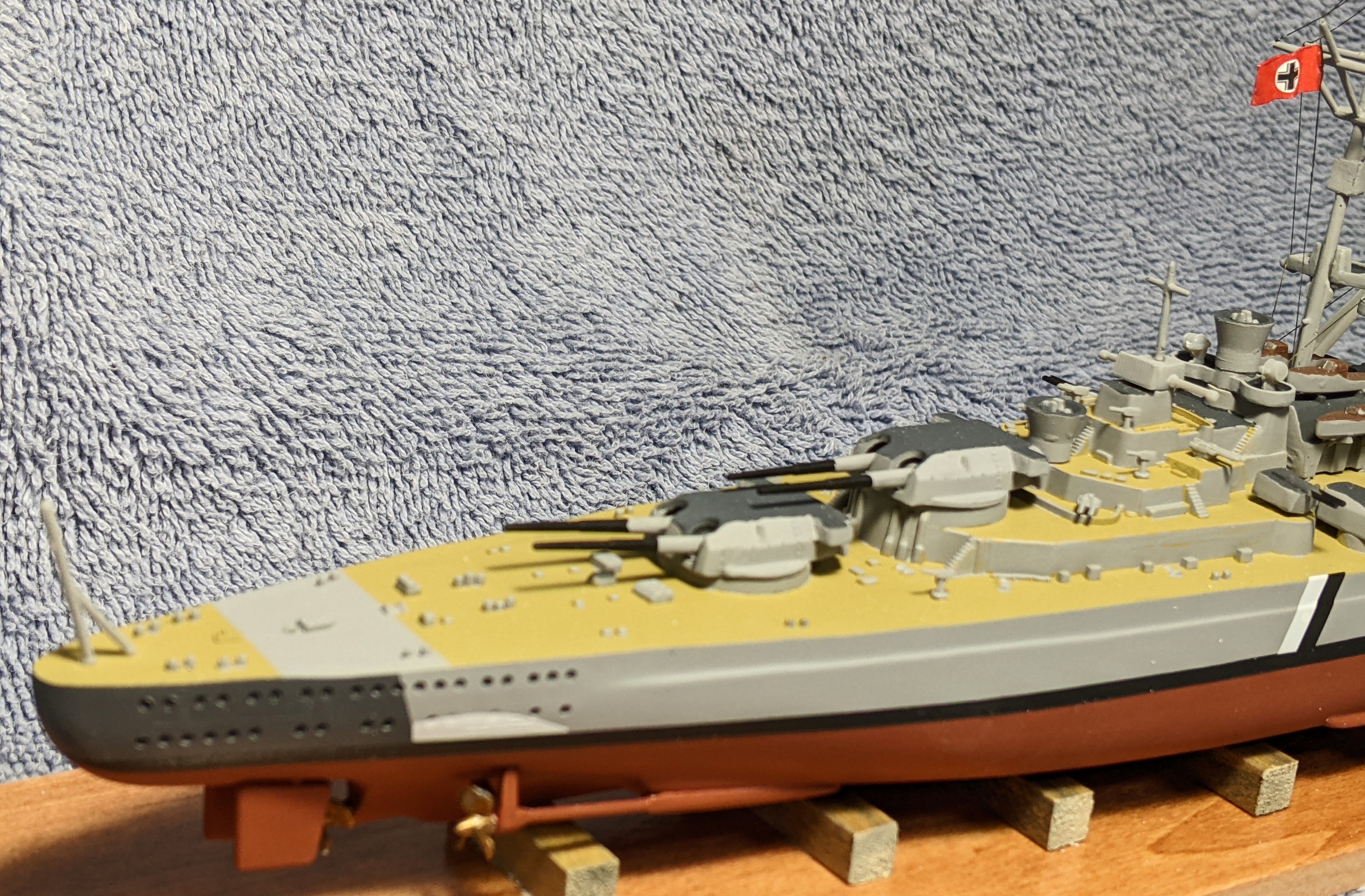
I know it was a formidable ship and the British greatly feared her breaking out into the Atlantic, but she just doesn't seem as powerful when compared to these other two Atlantis offerings.
-
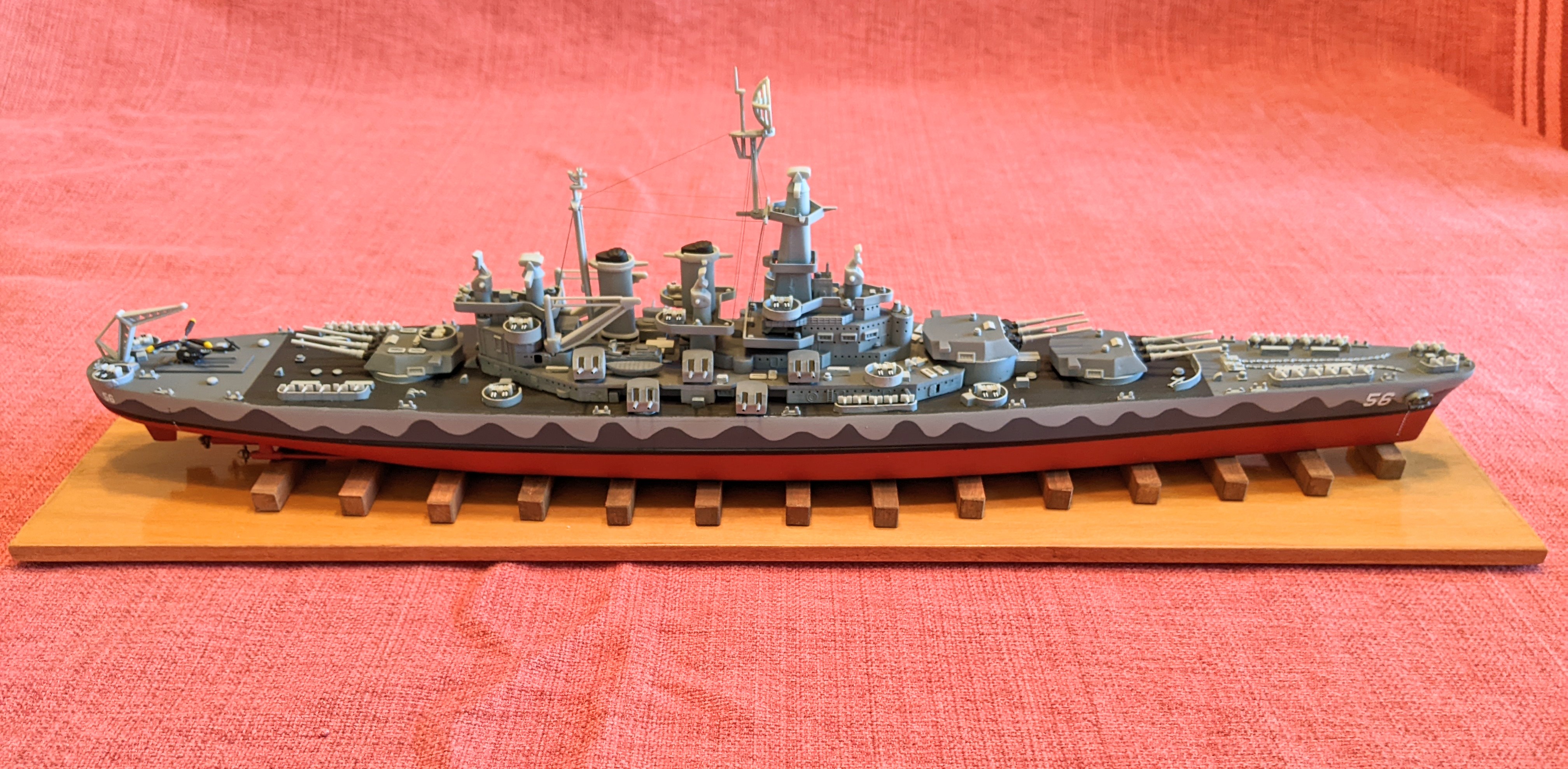
Fun build. No PE and probably not very accurate, but just enough to keep me busy for a week or two. They provide the hull side camo as decals, and they worked very well. There is some debate as to whether this is a re-release of the Revell or Monogram kit. I'm guessing the Monogram one as it just doesn't "feel" like a Revell kit in it's engineering and parts break down, but I may be wrong. Wouldn't be the first time, that's for sure.
-
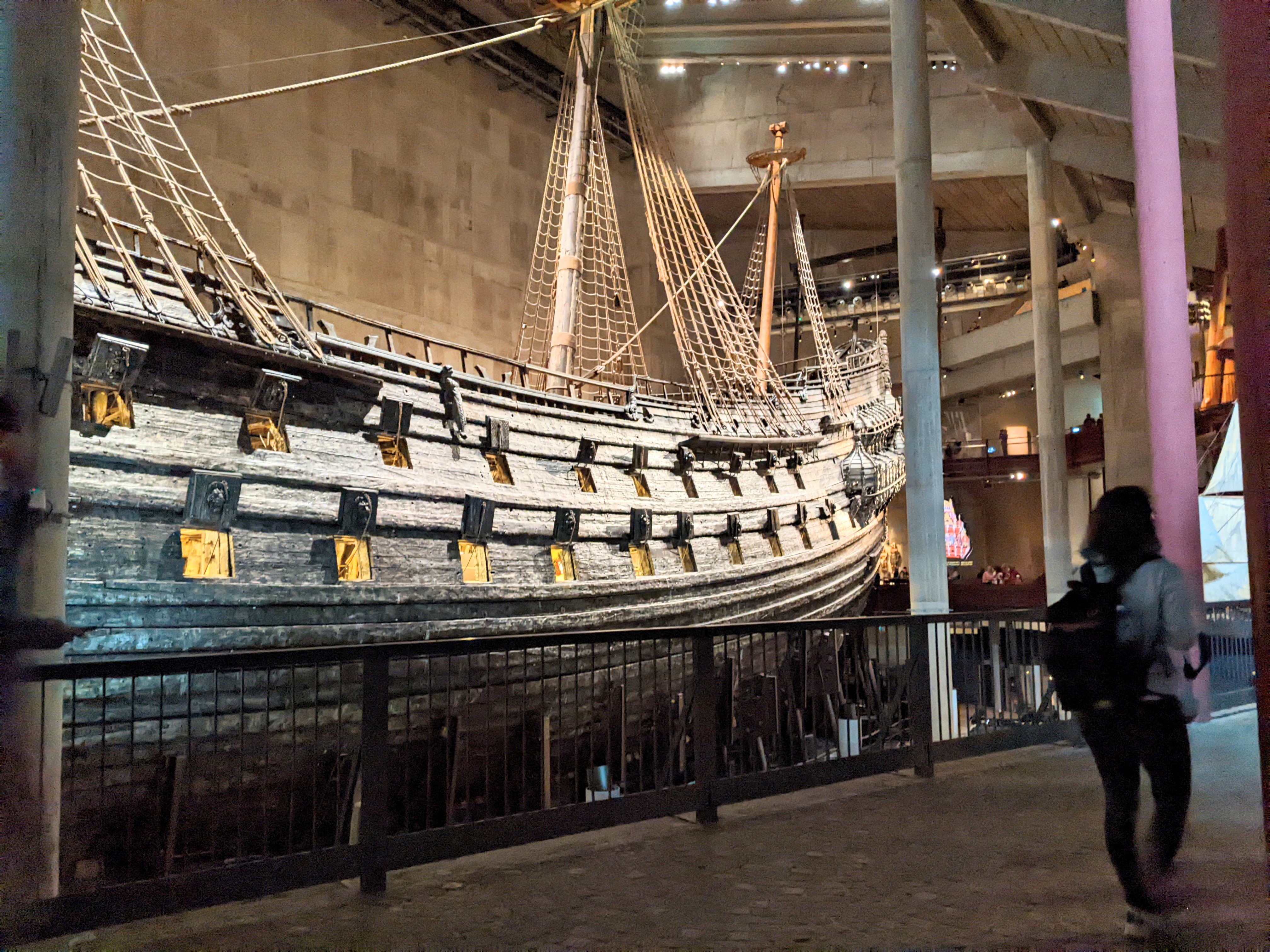
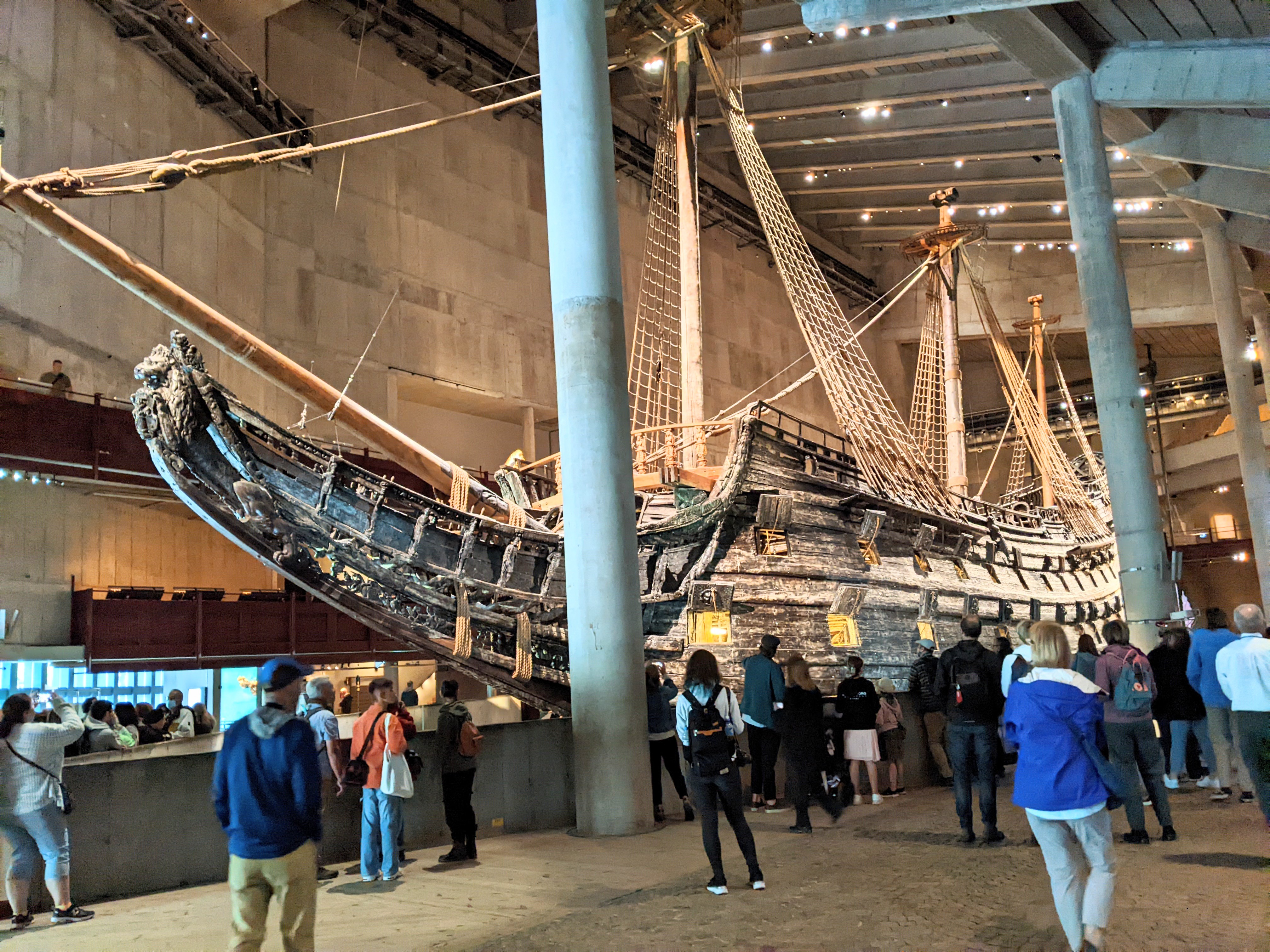
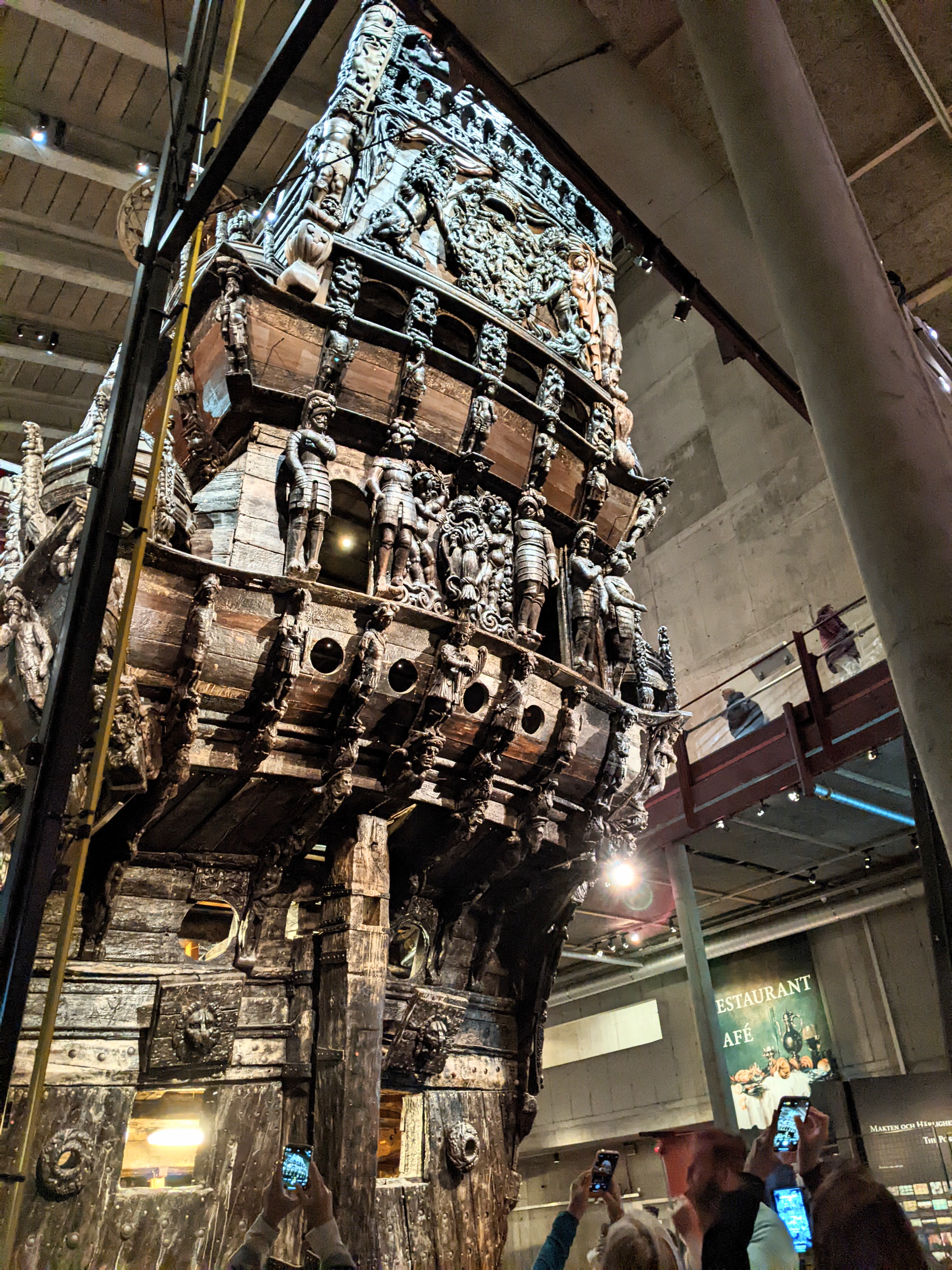
I just saw the actual ship in Oslo where they have built an entire museum dedicated to this one ship. The ship is entirely indoors, but to do so they had to remove the upper masts as they say it would have been in "winter storage". The ship is large and it's impossible to get it all in one photo and of course, there is very little of the original paint left.
-
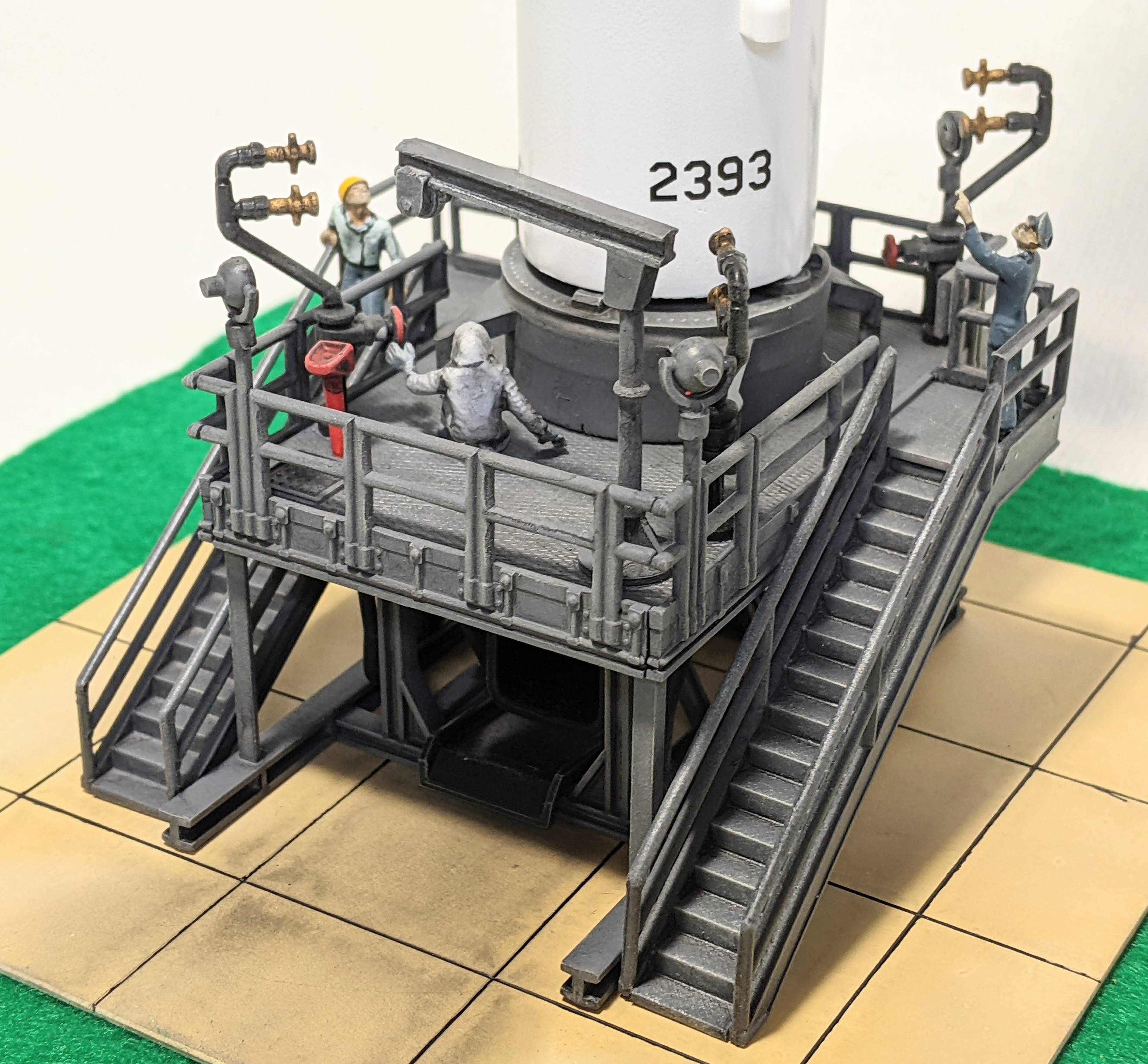
This is the Glencoe re-release of the Adams kit. Fit was actually pretty good, although the launch pad posed a few problems here and there and the railings are pretty thick. You get two sets of markings. One for a USAF experimental bird with a pitot at the top and some to show the missile in UK service. I modified the nose cone into what was known as a "non-ablative re-entry" type, whatever that means and if I even have that term correct. Suffice to say its flatter with a more pointed top. The launch base is actually incorrect for the British missiles, but it suited Adam's purposes as it was also used in their Vanguard missile kit. It was a fun build and looks pretty good when completed. I made the concrete pad out of a piece of sheet plastic.
-
Ok, I got shut out this year and want to avoid that next year and I want to make sure I've got this right. From what you said the room block will open at Midnight CST on Saturday, Sept. 3rd, or 1:00 AM EST, on SUNDAY Sept. 4th. Or is it 1:00 AM EST on Saturday, Sept. 3rd? I just want to know on which night I'm going to lose sleep.